Even though Florida does not require annual safety and emissions inspections for most private vehicles, you may still face state-level checks when registering an out-of-state car, dealing with a rebuilt title, or going through a thorough safety inspection before a sale. In those moments, a quick wash and a full tank of fuel are not enough.
Getting ahead of basic safety and mechanical issues makes the process smoother and helps you avoid last-minute surprises.
What a Florida State Inspection Is Really Looking For
Florida’s official inspections, whether for VIN verification, rebuilt vehicles, or other special cases, focus on identity and basic roadworthiness. Inspectors want to confirm that the car is what the paperwork says it is and that key safety items are in acceptable condition. That usually means checking the VIN, verifying that major components match, and looking over lights, tires, brakes, and visible leaks.
Even if your visit is mainly for paperwork, any obvious safety problem can slow things down. A car with bald tires, missing lights, or a strong fuel odor may draw extra scrutiny. Treating the inspection as a real safety check, not just a formality, puts you in a much better position.
Paperwork and Basic Checks to Handle First
Before anyone looks under the hood, they will look at documents and identifiers. Make sure the title, registration paperwork, and photo ID are present and match the vehicle. The VIN on the dash or door jamb should be clean and readable, with no damage or tampering.
At the same time, it helps to take care of simple basics like topping up washer fluid, making sure the fuel cap seals properly, and confirming that there are no active warning lights that could suggest deeper issues. When we prepare a vehicle for any kind of state-related inspection, we like to start with this quick overview so the rest of the process goes smoothly.
Lights, Wipers, and Glass: Easy Items That Often Cause Trouble
Many cars fail quick safety checks over very simple issues that could have been fixed at home. Before your inspection day, walk around the vehicle and confirm:
- Headlights work on low and high beam and are not badly fogged or cracked
- Turn signals and hazard lights flash at all four corners
- Brake lights and the center high-mount stop lamp come on clearly
- Reverse lights illuminate when you shift into reverse
- Windshield wipers clear the glass without streaking or chatter
- The windshield has no large cracks or chips in the driver’s direct line of sight
These items take just a few minutes to check but make a big difference in how your car appears to an inspector. Replacing worn wiper blades or a bad bulb ahead of time is far easier than dealing with a failed check.
Tires, Brakes, and Suspension: Safety Items Inspectors Notice
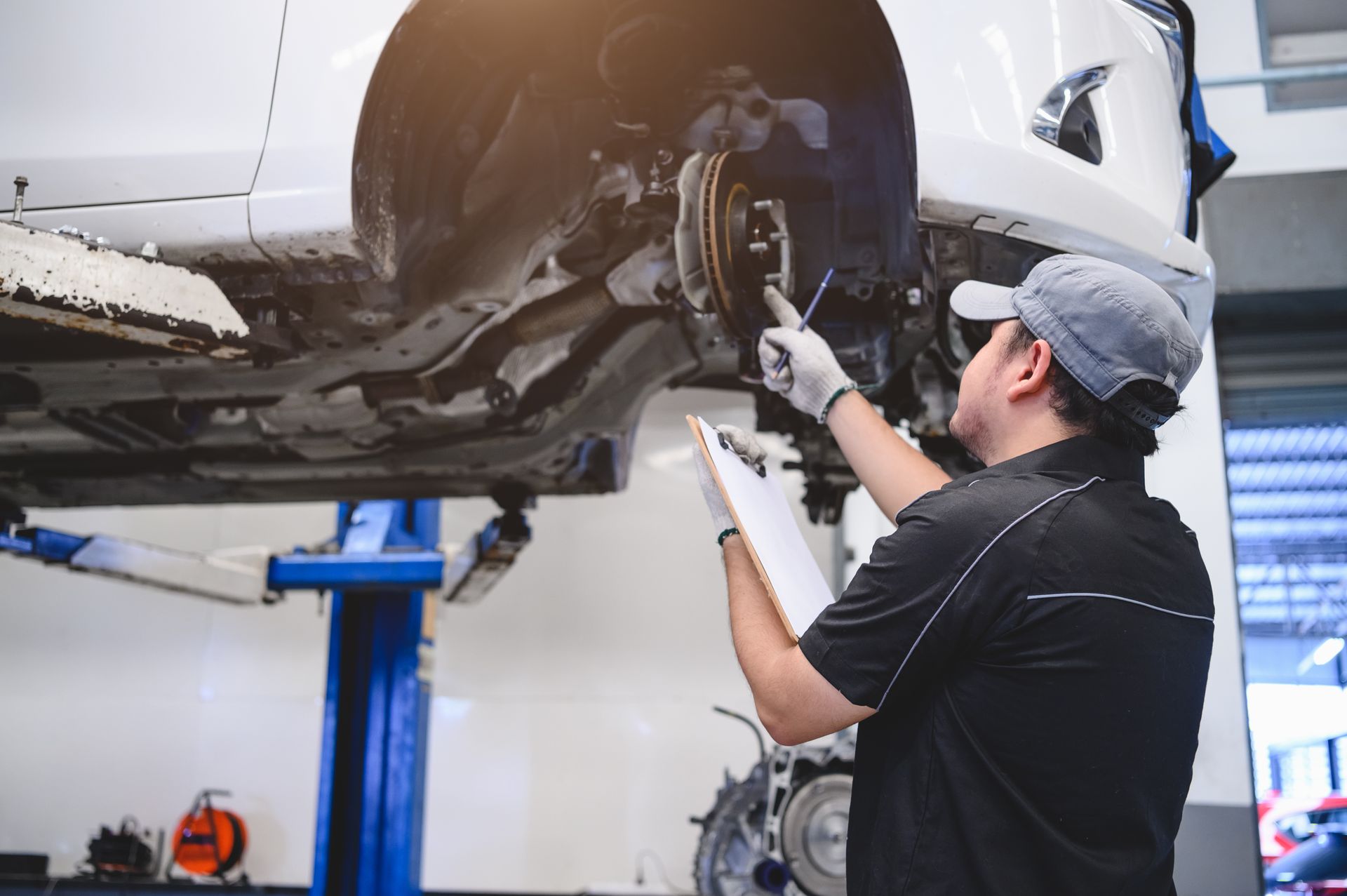
Tires, brakes, and suspension components say a lot about how a car has been maintained. Look closely at tread depth across each tire, not just in one spot. If you can see wear bars flush with the surface, or the inside edge is significantly thinner than the outside, the tire may be too worn to pass a careful safety lookover. Uneven wear can also hint at alignment or suspension problems that are worth fixing before inspection.
Brakes should feel firm, not spongy, and the car should stop straight without pulling. Any grinding, metallic scraping, or strong vibration when you brake suggests pads or rotors are overdue. If you hear clunks over bumps or notice the car bouncing more than once after a speed bump, worn shocks, struts, or bushings may be involved. Our technicians pay a lot of attention to these areas because they are closely tied to basic road safety.
Engine, Emissions Equipment, and Warning Lights
Even in a state without routine emissions testing, a car that smokes, leaks, or runs poorly will attract the wrong kind of attention. Check under the car and around the engine bay for obvious fluid leaks, especially oil, coolant, and fuel. A strong fuel smell or visible drips is not something to ignore.
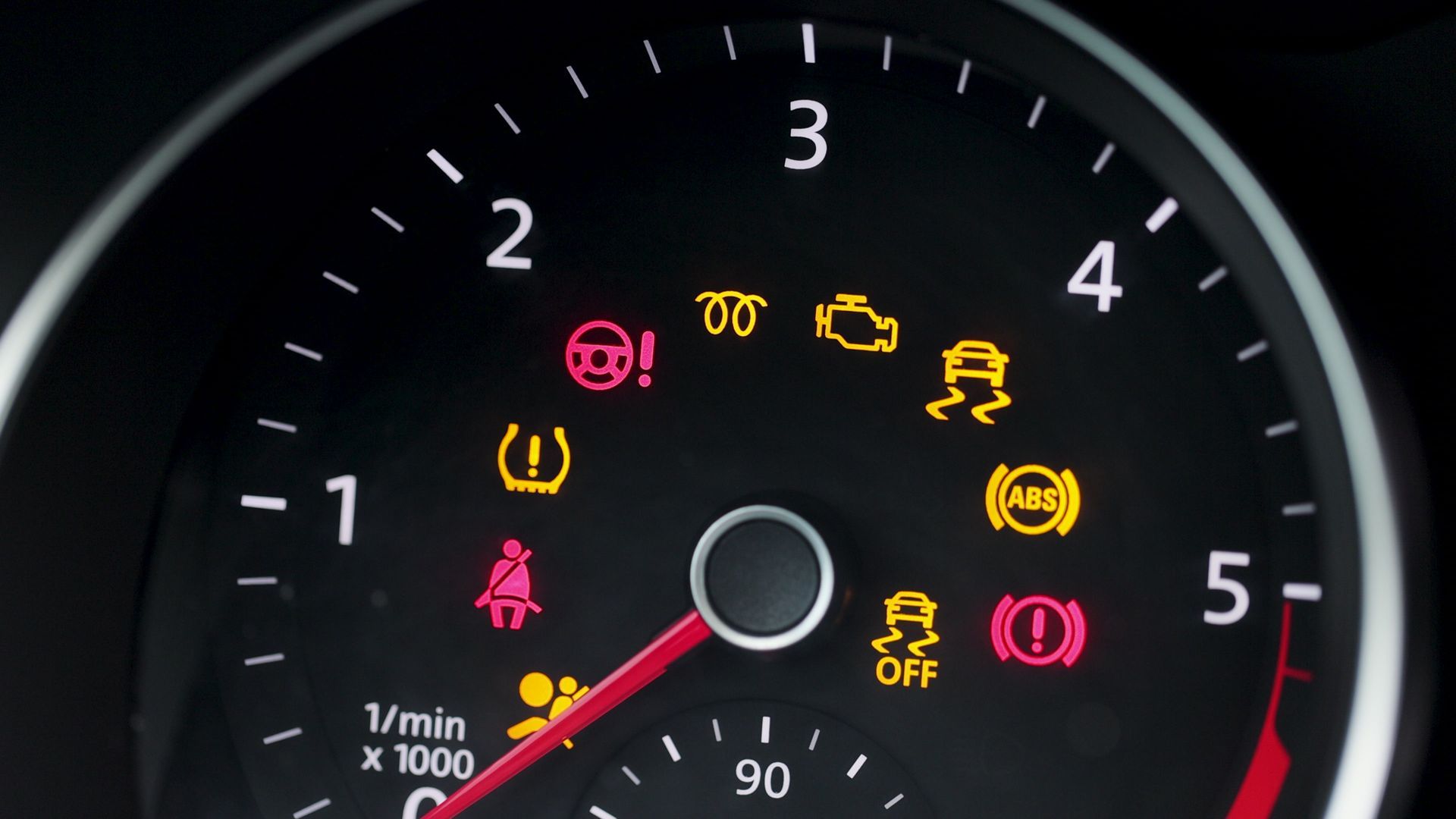
From inside the car, note any warning lights on the dashboard. A check engine light, ABS light, or airbag light tells inspectors and officers that something in a safety or emissions system is not happy. Sometimes the fix is as simple as a gas cap or a sensor, other times it points to maintenance that has been put off. Sorting these issues out before any state-related inspection helps avoid delays and protects your engine and catalytic converter.
Test-Drive Prep: How Your Car Should Feel Before Inspection
A short test drive before your appointment can reveal problems you might miss in the driveway. The steering should feel stable, with no vibration at normal speeds and no pull on a straight road. The transmission should shift smoothly without slipping, harsh banging, or long delays between gears. Any loud clunks, rattles, or grinding noises are worth investigating before you show up anywhere official.
Listen as you drive over rough pavement and light bumps. New noises from the front end, humming that changes with speed, or a roaring sound from one corner can indicate wheel bearing or suspension issues. Our technicians like to catch these early, because many of them start small and become much more expensive if left alone.
Get Florida State Inspection Prep in Port Charlotte, FL with Matic’s Auto Repair & Diagnostic, Inc.
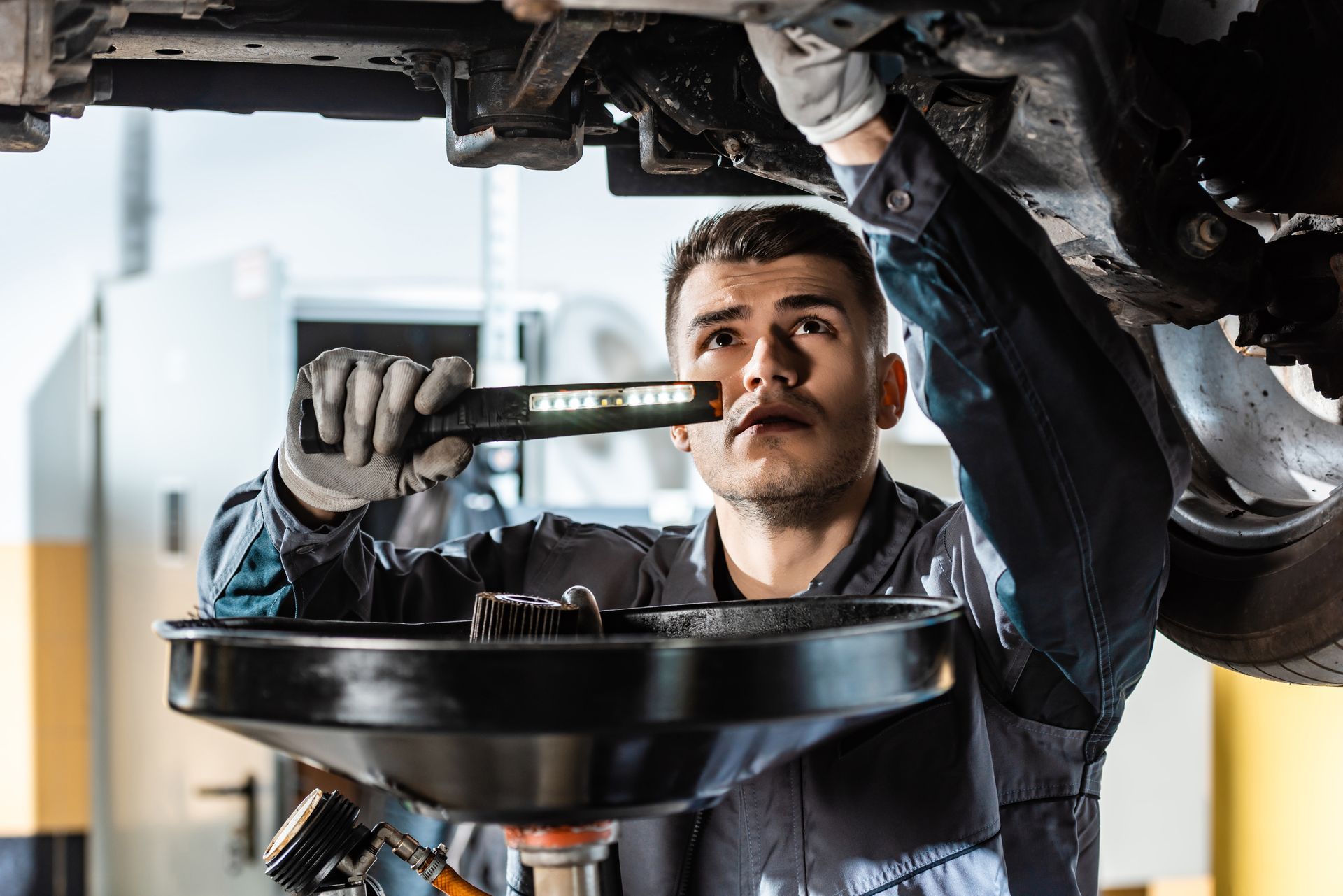
We can look your vehicle over the same way an inspector would, from lights and tires to brakes, suspension, and warning lights, so you know what to expect before any state-related check. We explain what needs attention now and what you can plan for later, helping you avoid surprises at the counter.
Call
Matic’s Auto Repair & Diagnostic, Inc. in Port Charlotte, FL, to schedule a pre-inspection visit and make sure your car is ready for whatever the state requires.