Warning lights are your car’s way of raising its hand before something gets expensive or unsafe. The problem is that some lights come on for minor issues, so drivers get used to brushing them off. Then a serious one shows up, and it gets treated the same way.
A better approach is to know which lights warrant an immediate change of plans and what to do in the moment, so you do not make the situation worse.
How To Handle A Warning Light Without Guessing
Start with what the car is doing right now. If the vehicle is shaking, overheating, losing power, or braking differently, treat that as urgent, even if only one light is on. If the car feels normal, you may have a little more flexibility, but you still want to note when the light came on and whether it stays on, flashes, or comes and goes. The most useful habit is to avoid clearing lights or disconnecting the battery, because that can erase clues that help pinpoint the real cause.
1. Oil Pressure Warning Light
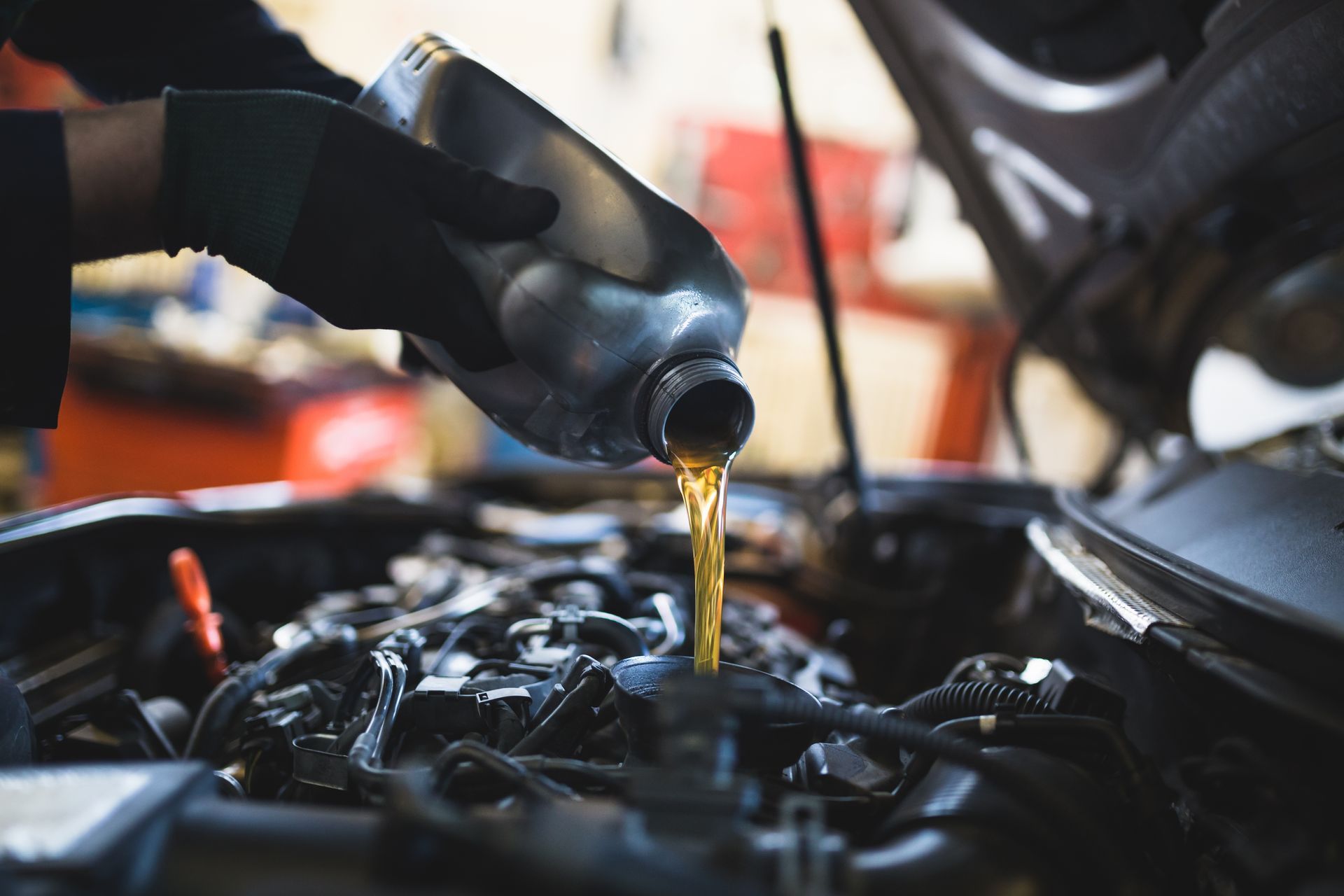
This is one of the few lights that can go from fine to engine damage fast. Low oil pressure can mean low oil level, a leak, a failing pump, or internal wear, but the common thread is that the engine is not getting the lubrication it needs. If this light comes on while driving, reduce load immediately and shut the engine down as soon as it is safe. Checking the oil level is a good first step, but do not assume topping off solves the reason the pressure dropped.
2. Engine Temperature Or Overheat Warning Light
Engines do not tolerate overheating well, even once. A hot gauge or temperature warning can be caused by low coolant, a leak, a failing thermostat, radiator issues, or a water pump problem. If the temperature climbs higher than normal, pull over safely and shut it down rather than trying to limp it home. Continuing to drive while it is hot can warp components and turn a manageable repair into a much larger one.
3. Brake System Warning Light
A brake warning light can mean low fluid, a leak, an electronic brake system fault, or an issue with brake pressure. If the pedal suddenly feels soft, sinks, or requires more distance to stop, treat that as a stop driving situation. Even if braking feels normal, low brake fluid is not something to ignore, because brake fluid does not disappear on its own. The safest move is to have the system checked before you end up with inconsistent braking.
4. Battery Or Charging System Warning Light
This light usually means the car is no longer charging properly, so you are running on battery power until the battery is drained. The cause can be a failing alternator, a belt issue, wiring problems, or a weak connection at the battery or grounds. The car may still run normally at first, then suddenly begin losing power to critical systems. If you see this light, turn off nonessential electrical loads and plan to get it inspected promptly, because once voltage drops far enough, the vehicle may stall.
5. Flashing Check Engine Light
A steady check engine light can indicate a wide range of issues, but a flashing light often indicates an active misfire that can damage the catalytic converter. You may feel shaking, hesitation, or a lack of power, especially under acceleration. The longer it runs while misfiring, the higher the chance of turning a straightforward ignition or fueling repair into a much bigger bill. If the light is flashing, reduce driving and schedule service quickly.
6. ABS Warning Light
An ABS light usually means the anti-lock function may not be available, especially during hard braking or slick conditions. The car can still have normal braking, but you lose the extra control ABS provides when traction is limited. If the ABS light is on and you also notice changes in pedal feel, pulling during braking, or a brake warning light, treat it as a higher priority. Even when braking feels normal, it is worth addressing soon so you are not caught without ABS when you truly need it.
7. Airbag Or SRS Warning Light
When the airbag light is on, it often means the system has detected a fault and may not deploy as designed in a crash. This can be caused by sensor issues, wiring problems, seat belt pretensioner faults, or module communication errors. You will not feel a change in how the car drives, which is why people ignore it. The issue is that the airbag system is part of your safety net, and it needs to be ready before an accident happens, not after.
8. Power Steering Or EPS Warning Light
Electric power steering systems can reduce assist or shut it off when they detect a fault, and that can make the steering suddenly feel heavy. At low speeds, like parking lots and turns from a stop, the change can be surprising. Some vehicles will also turn this light on if the voltage is low, which ties it to charging system issues. If steering assist changes suddenly, avoid pushing through tight maneuvers in traffic and have it checked, because steering feel is a safety issue, not a comfort issue.
Get Dashboard Warning Light Service in Port Charlotte, FL with Matic’s Auto Repair & Diagnostic, Inc.
If a warning light is on and you are not sure whether it is safe to keep driving, we can check the system behind the light, verify what the car is reporting, and explain what needs attention first. We’ll also let you know what can wait and what should not.
Call
Matic’s Auto Repair & Diagnostic, Inc. in Port Charlotte, FL, to schedule a warning light inspection and get clear answers before a small issue grows.