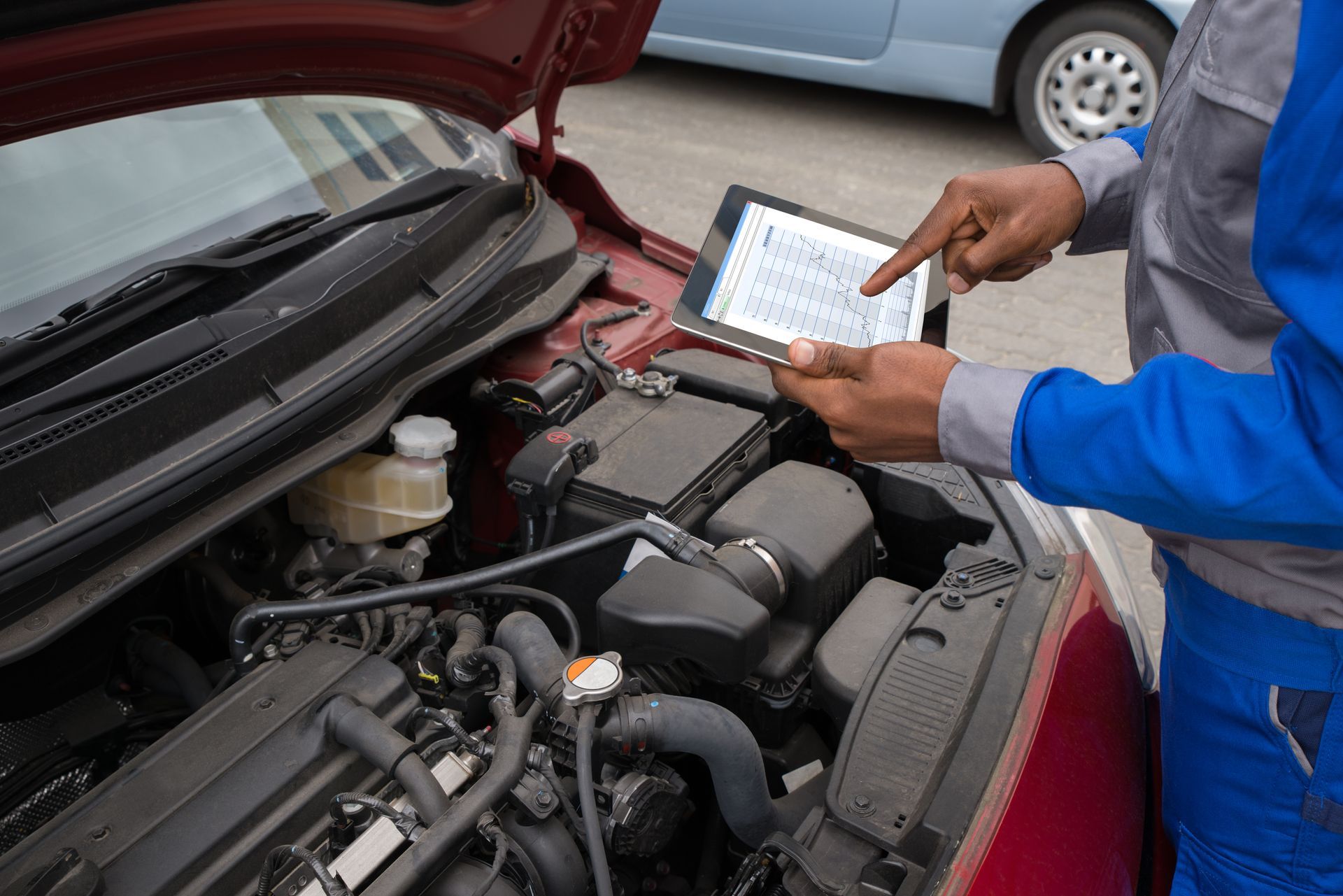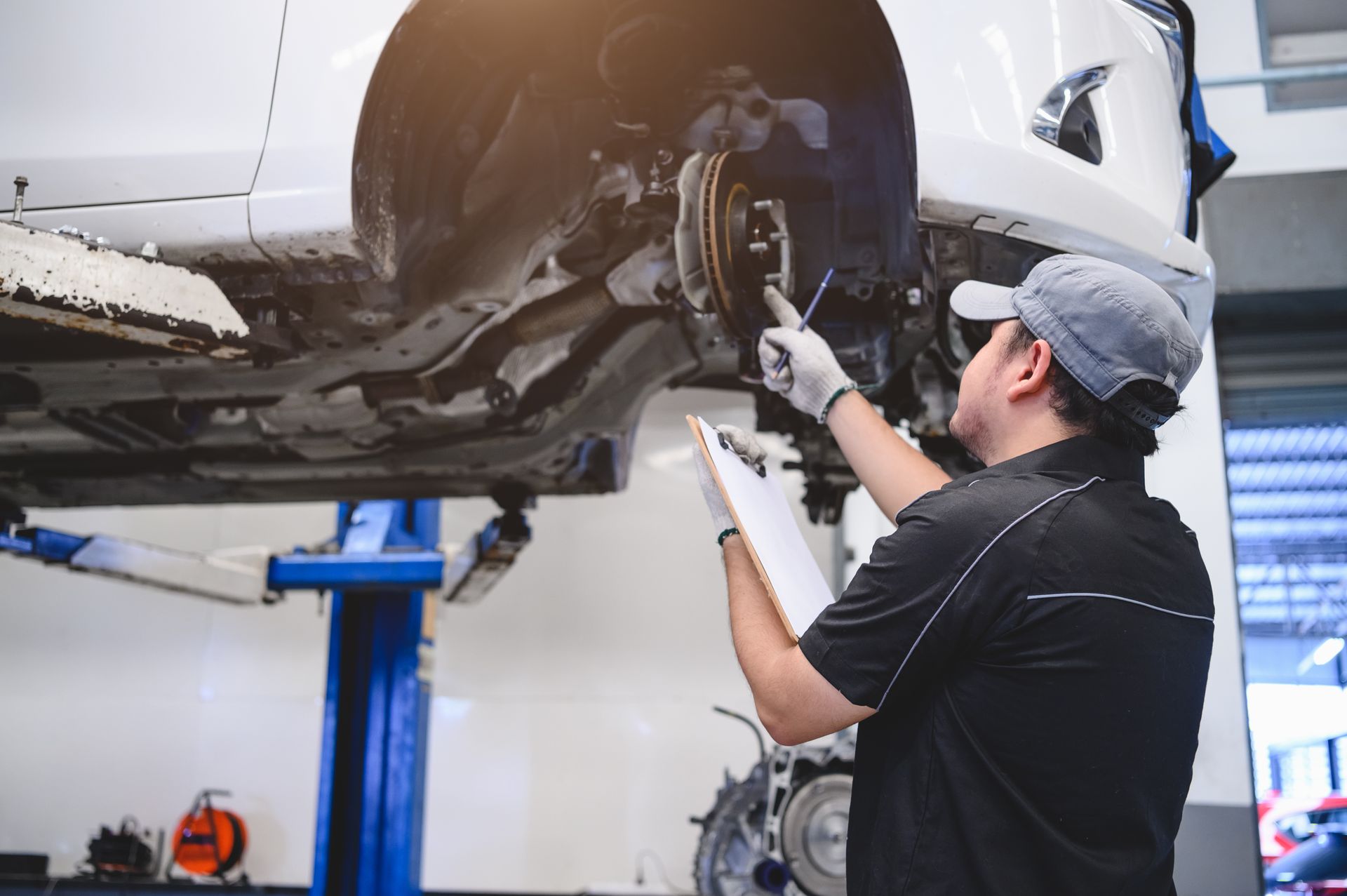
A high-mileage car can still feel solid, right up until a small neglect turns into a stranded-on-the-shoulder kind of day. Most of the time, it's not one big failure. It's a handful of little items that got skipped because the car kept starting and driving fine. The good news is you don't need to baby it, you just need a routine that keeps wear from stacking up.
That routine is what keeps older cars dependable.
Fluids And Filters Set The Baseline
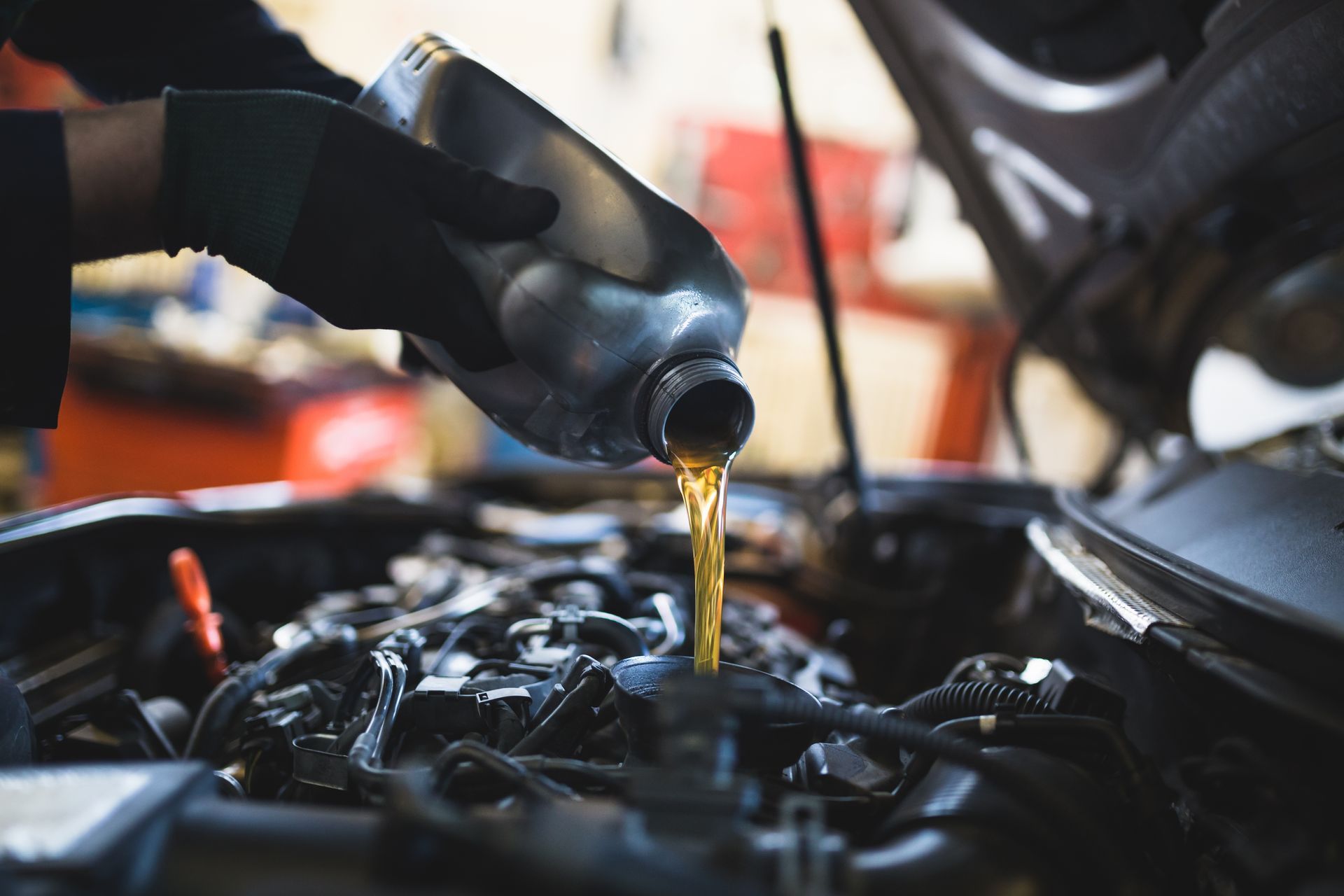
If you want a simple starting point, stay on top of fluids and filters. Engine oil, coolant, transmission fluid, brake fluid, and power steering fluid all do real work, and they also carry away heat and debris. When they get old, they don't protect as well, and small issues show up faster. This is where regular maintenance earns its keep because it keeps the whole vehicle in a stable, predictable zone.
Filters matter just as much. A dirty engine air filter can hurt fuel economy and make the engine feel sluggish, and a clogged cabin filter can strain airflow through the HVAC. Fuel filters (where serviceable) are another big one on higher-mileage vehicles, especially if you've noticed longer cranks or a slight stumble under load. The routine here is simple: follow the service intervals, and shorten them if you do lots of short trips or heavy stop-and-go driving.
Cooling System Care Prevents Surprise Overheating
Older vehicles often run fine until they don't, and overheating is one of the fastest ways to turn a good car into a problem. Coolant doesn't last forever, and neither do hoses, caps, or plastic fittings. Once rubber starts aging, tiny seepage can turn into a sudden split when pressure and temperature spike. It's smart to think of the cooling system as a whole, not just coolant in a reservoir.
If the heater output changes, the temp gauge acts a little odd, or you smell something sweet after a drive, don't wait it out. We've seen plenty of cars where a small leak left no puddle because it evaporated on hot parts. Keeping the coolant fresh and the system sealed gives you a lot more margin on hot Florida days. It also helps the engine oil and transmission run cooler, which matters more as miles climb.
Keep The Engine Running Clean And Consistent
High-mileage engines usually do best when you keep combustion stable. That means timely spark plugs (and coils if needed), clean airflow, and paying attention to small vacuum leaks. A tiny intake leak or a tired sensor can cause subtle fuel-trim changes you might not notice right away, but they can slowly reduce efficiency. If the idle is getting rougher or the throttle response feels different, it's worth checking before it becomes a recurring headache.
It also helps to address oil consumption honestly. Some engines use a little oil as they age, and that may be normal for that platform, but it still needs monitoring. Check levels between services, especially before longer drives, and look for oily residue around valve covers or the underside. If you're topping off on oil often, it's time to find out where it's going. Small leaks are easier to manage early than after they've coated everything.
Transmission And Driveline Maintenance Pays Back
Transmissions get ignored because they don't complain loudly at first. Fluid condition and correct level make a difference in shift quality and long-term wear, even if the vehicle still feels fine today. If your transmission has a serviceable filter, that's a good sign because it means the system expects periodic service. If it's sealed, the fluid still ages, and the right interval depends on driving conditions.
Driveline parts deserve a spot in your routine too. CV joint boots, axle seals, and differential fluid can all be out of sight until they start making noise or leaking onto the driveway. If you hear a new click in turns, a hum at speed, or feel a vibration under acceleration, treat it like a prompt, not background noise. Older cars often give you a long warning period, and catching the issue there saves money.
Tires, Brakes, And Alignment Keep It Feeling Safe
A lot of high-mileage problems show up in the way the car rides and stops, not under the hood. Tire pressure, tread wear, and rotation timing affect braking distance and how stable the car feels on wet roads. Uneven wear is also an early clue that suspension parts are getting tired or the alignment is drifting. If the steering wheel is slowly going off-center, don't chalk it up to the road.
Brakes are similar. Pads and rotors wear gradually, and brake fluid can absorb moisture over time, which changes pedal feel and performance. If you notice the pedal getting lower, higher, or requiring more effort, that's a sign to check it soon. We also like to look for sticking calipers or uneven pad wear because those can quietly chew through pads and overheat rotors. Keeping the brake system healthy is one of the best ways to make an older car feel newer.
Suspension And Steering Wear Adds Up Slowly
This is the category most drivers adapt to without realizing it. Worn bushings, tired struts, and loose tie rod ends can make the car feel floaty, noisy, or unpredictable on grooved pavement. Sometimes the only clue is that you're making more steering corrections than you used to. That's also where tire wear and alignment trouble often start.
A simple monthly inspection can catch early wear before it becomes an all-at-once repair. Look for uneven tire wear, leaking shocks, torn boots, and any new clunks over bumps. If the car feels different after a pothole hit, get it checked even if it still drives straight-ish. Our technicians see a lot of "it's probably fine" situations that turn out to be one loose part creating a chain reaction.
Get High-Mileage Maintenance In Port Charlotte, FL With Matic’s Auto Repair & Diagnostic, Inc.
Matic’s Auto Repair & Diagnostic, Inc. can build a realistic maintenance plan for your vehicle's mileage and how you actually drive, then take care of the items that keep older cars dependable.
Bring it by when you want a clear plan instead of guessing what's next