A louder engine sound can throw you off because it often shows up gradually. One week you barely notice it, and the next week you are turning the radio up without thinking. The cause can be simple, like something loose that is amplifying sound, or it can be a sign the engine is working harder than it should.
The fastest way to narrow it down is to focus on what kind of sound it is and when it happens.
Why Louder Engine Sound Can Sneak Up On You
Engines naturally get a bit louder as parts wear and rubber insulation ages, but sudden changes usually have a reason. A noise that appears only on cold starts points in a different direction than a noise that shows up after a long drive. The same goes for a noise that changes with RPM versus one that changes with road speed.
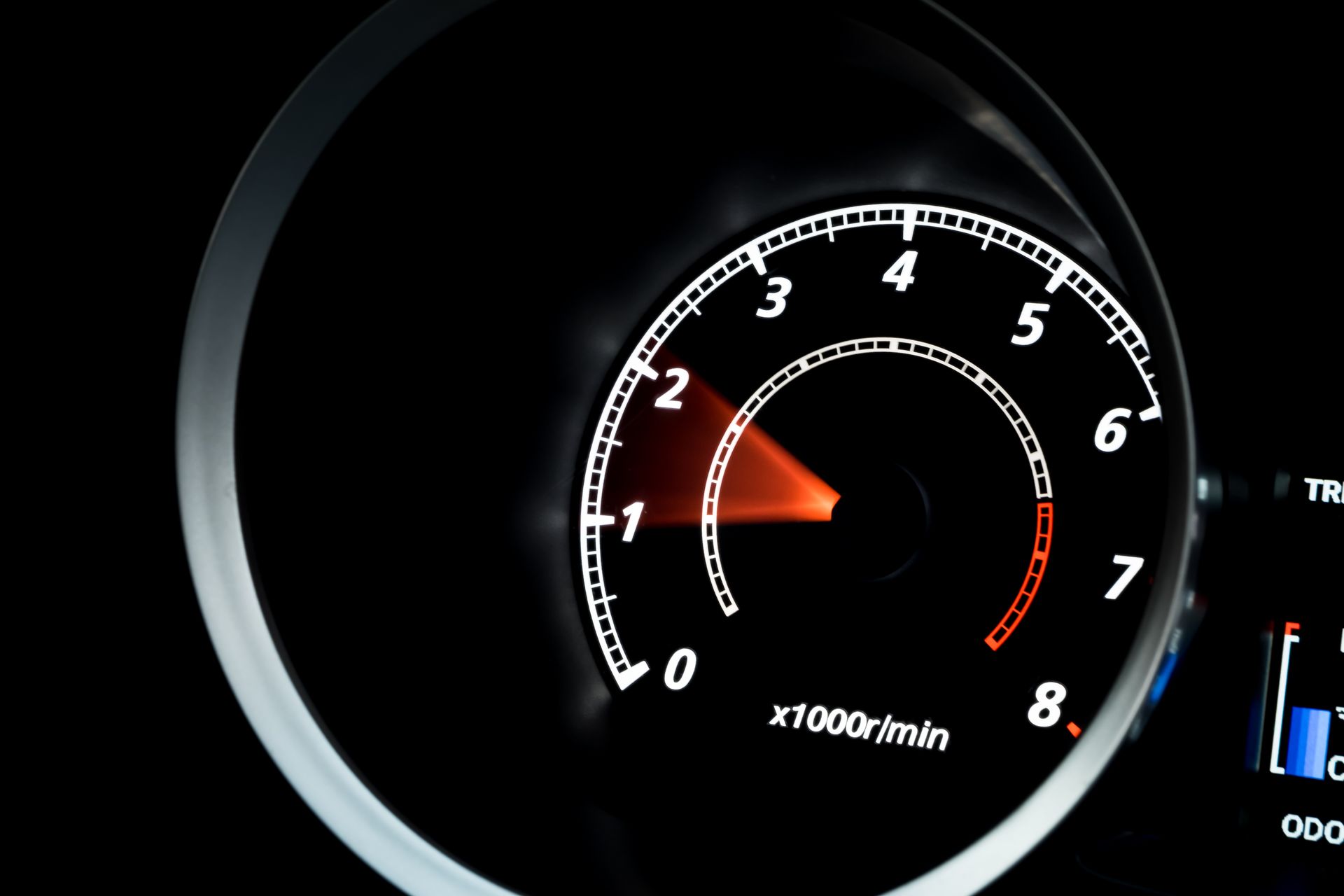
If the sound is louder at idle, that often suggests a vibration, a leak, or an accessory issue. If it gets loud under acceleration, it can be airflow, exhaust, or load-related engine behavior. The key is noticing the conditions that make it louder.
Exhaust Leaks And Heat Shields
Exhaust leaks are one of the most common reasons an engine suddenly sounds louder. A small leak near the manifold area can sound like a tick or puff that speeds up with RPM. A leak farther downstream can sound more like a deeper roar or a constant rumble.
Heat shields can also fool you. A loose shield can buzz, rattle, or vibrate at a certain RPM range, then go quiet again. It may sound like an engine issue when it is really thin metal shaking against another surface.
Intake Noise And Airflow Changes
Intake-related noise tends to sound like a louder whoosh, growl, or hollow rushing sound when you accelerate. If an intake hose has a crack or a clamp is loose, the engine may pull air differently and the sound changes. Some vehicles also get louder if the air box is not sealed correctly after a filter change.
A restricted air filter can change sound too, not by making it louder directly, but by making the engine work harder to breathe. That extra effort can show up as a deeper intake note under load. This is one reason regular maintenance around filters and clamps prevents weird new sounds that feel random.
Oil Level, Oil Condition, And Valvetrain Sounds
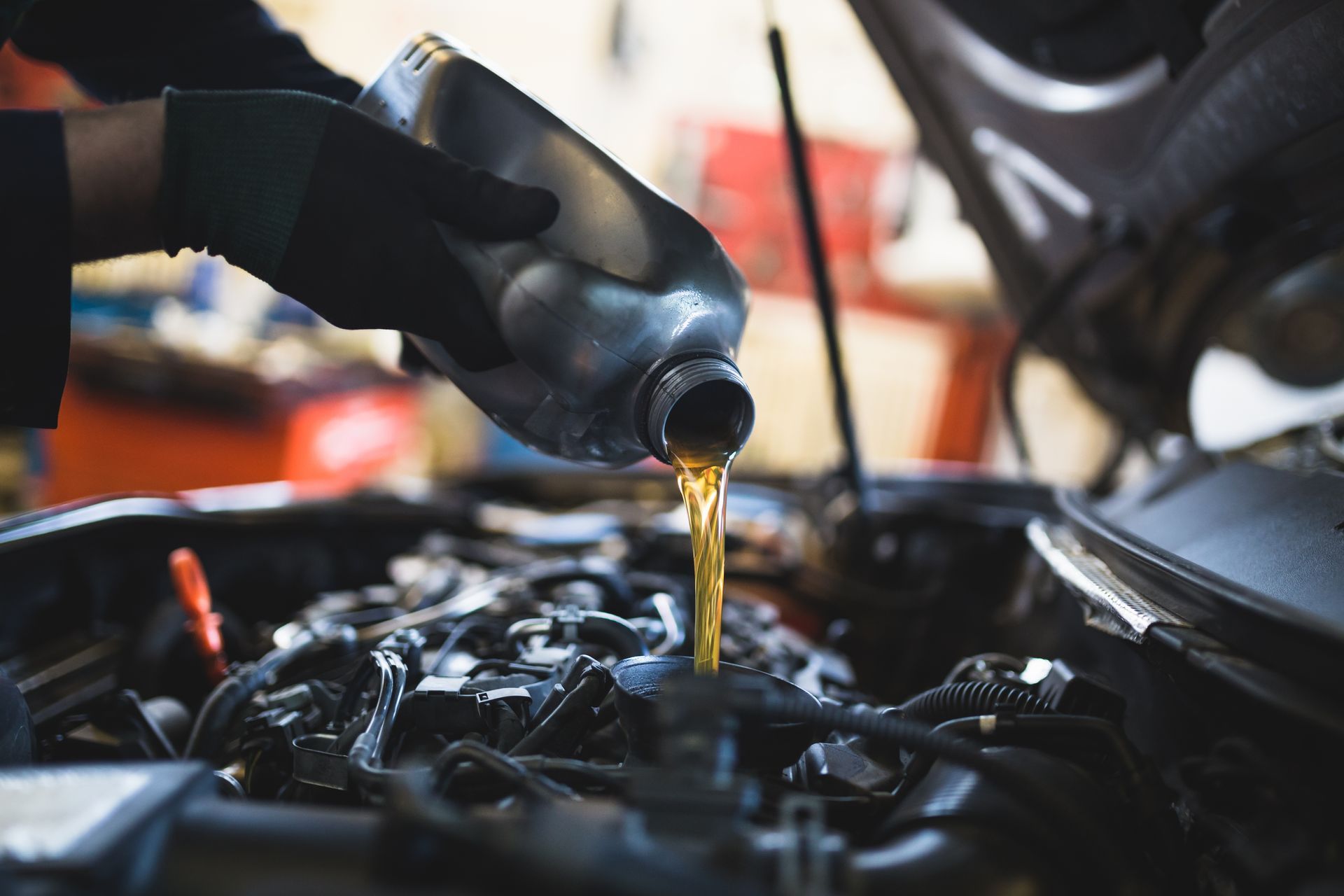
Low oil can make an engine louder, especially at the top end. Valvetrain noise often sounds like ticking or tapping that follows RPM. If the oil level has dropped between services, the engine loses some cushioning, and the sound can become more obvious.
Oil condition matters as well. Old or broken-down oil can't dampen noise as well when the engine is hot. If the sound is noticeably louder after a long drive and quieter right after a fresh oil service, that pattern is worth noting.
Belts, Pulleys, And Accessory Bearings
Accessory noises often get mistaken for engine internal problems because they come from the front of the engine. A worn pulley bearing can sound like a growl, a whine, or a chirp that changes with RPM. A belt can squeal briefly at startup or when electrical load increases, then quiet down once the belt grips again.
- Here are a few common belt-drive sounds and what they usually suggest.
- High-pitched squeal at startup: belt slip or weak tension
- Chirping that comes and goes: idler or tensioner pulley bearing starting to wear
- Steady whine that rises with RPM: alternator or another accessory bearing
- Rattle near the front of the engine: loose pulley, worn tensioner, or a bracket vibrating
If you hear a new sound that clearly comes from the belt area, it is smart to check it sooner. We’ve seen a small pulley noise turn into a shredded belt when the bearing finally gives up.
Get Engine Inspection and Repair In Port Charlotte, FL, With Matic’s Auto Repair & Diagnostic, Inc.
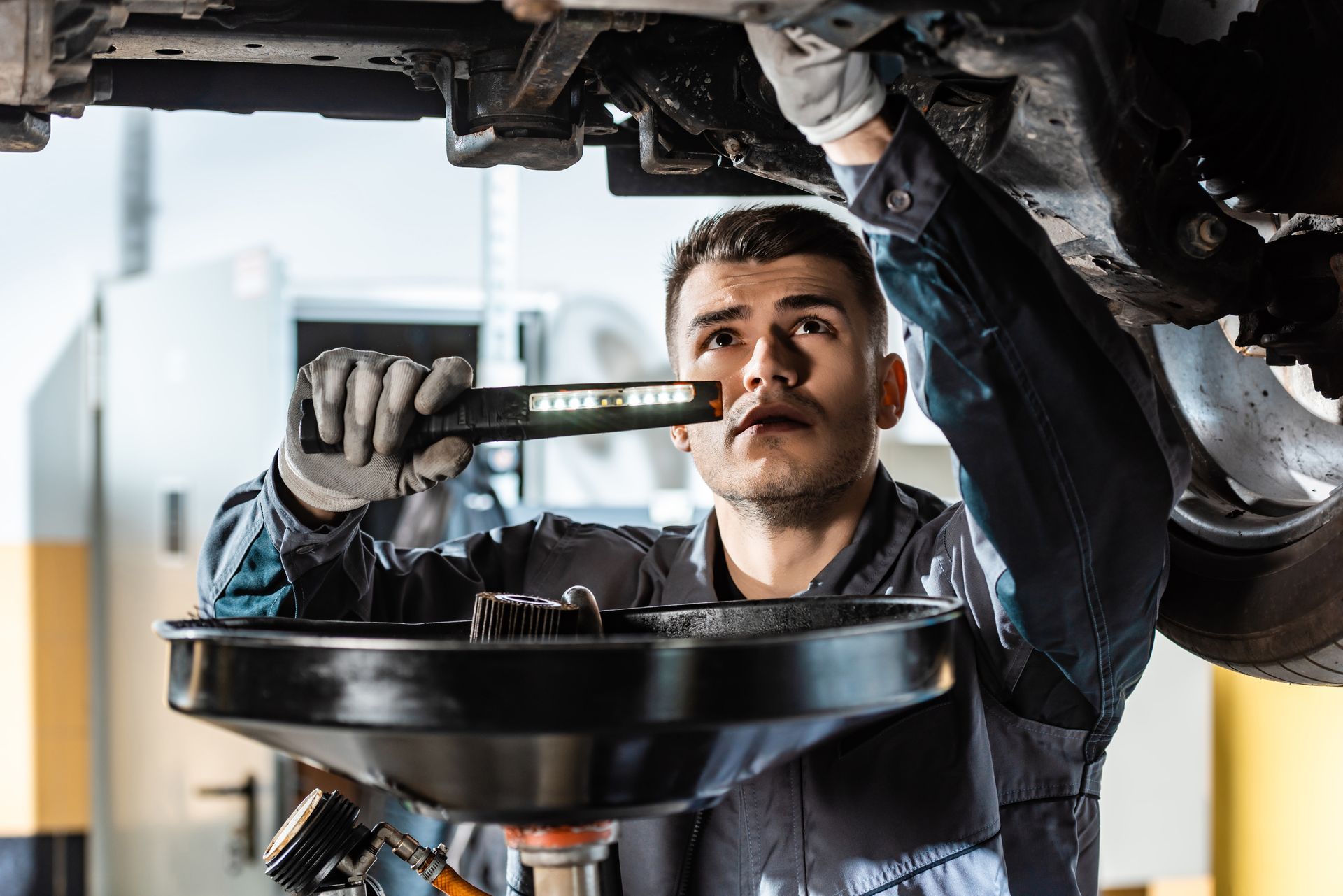
Matic’s Auto Repair & Diagnostic, Inc. in Port Charlotte, FL, can pinpoint the source of the noise and recommend the right fix without blindly replacing parts.
Schedule a visit and get back to a quieter, more confident drive.