Brakes rarely go from fine to failing in one day. They leave clues first, and those clues are easy to miss during busy weeks. If you catch the early signs, you save rotors, keep the pedal feel firm, and avoid scary stops in traffic. Here are the five warning signs that call for quick attention and what they usually mean.
1. Squeal or Grind That Does Not Go Away
A faint squeal right after a car wash can be surface rust and may clear after a few stops. A steady, high-pitched squeal during normal driving is different. That sound often comes from a wear indicator tab touching the rotor, which is a built-in reminder that the pad material is thin.
If the sound turns into a coarse grinding, the pad backing plate may be contacting the rotor. Driving on that will chew deep grooves, create heat spots, and force rotor replacement. Addressing squeal early keeps repairs simple and prevents the caliper from overheating and sticking.
2. Pulsation in the Pedal or a Shaking Steering Wheel
If the brake pedal pulses at highway speeds or the steering wheel shimmies during light to moderate stops, the rotors may have uneven thickness. This is not always “warped” metal, as many people say. Heat buildup from repeated hard stops, stuck slide pins, or uneven pad transfer can create high and low spots around the rotor.
The technicians will measure thickness variation and runout to decide whether machining is safe or replacement is smarter. Fixing pulsation promptly protects calipers and keeps ABS activations smooth when you need them most.
3. Soft, Low, or Slowly Sinking Pedal
A firm pedal that sits high builds confidence. A soft pedal that travels farther than usual, or one that sinks slowly at a stoplight, needs immediate attention. Air in the system, contaminated fluid, worn pads with the caliper pistons extended, or an internal master cylinder fault can all create this symptom. Brake fluid absorbs moisture over time, which lowers its boiling point and invites internal corrosion.
A fluid exchange paired with an inspection of calipers, hoses, and the master cylinder often restores a firm, consistent pedal. Do not delay on this one. If pedal height changes when you pump it twice, the system is asking for service.
4. Car Pulls to One Side or Smells Hot After Stops
A brake pull that appears only during stops usually means one side is doing more work than the other. A sticking caliper slider, seized piston, or a collapsed hose can hold a pad against the rotor and drag the car to that side. Other times, a wet or oily pad from a leaky wheel seal reduces grip, so the car pulls in the opposite direction. Heat is a helpful clue.
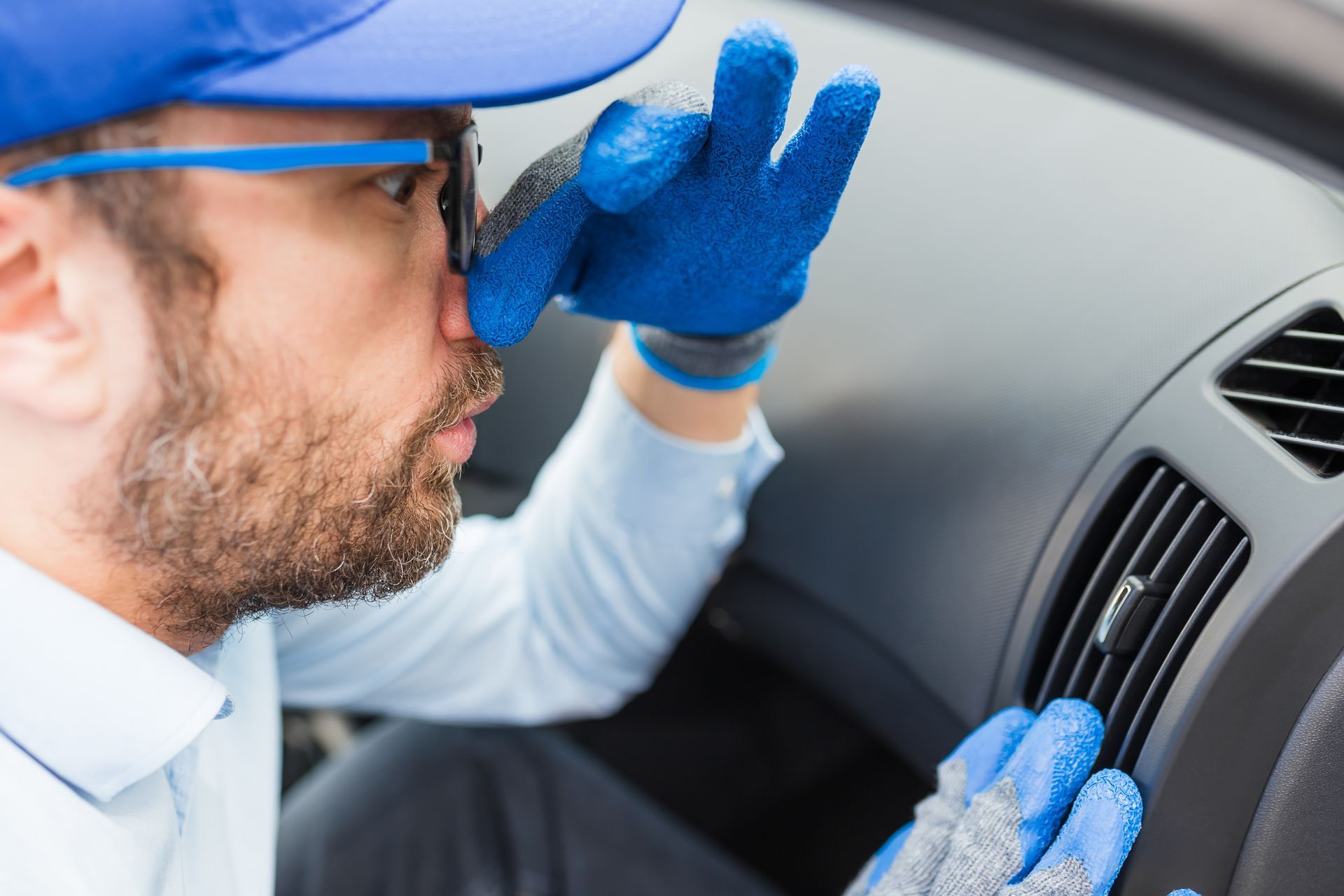
If you smell a hot, acrid odor after a short drive, or one wheel collects more brake dust than the others, friction is happening when it should not. Left alone, that extra heat can glaze pads, discolor rotors, and shorten wheel bearing life.
5. Warning Lights, ABS Faults, or Parking Brake Issues
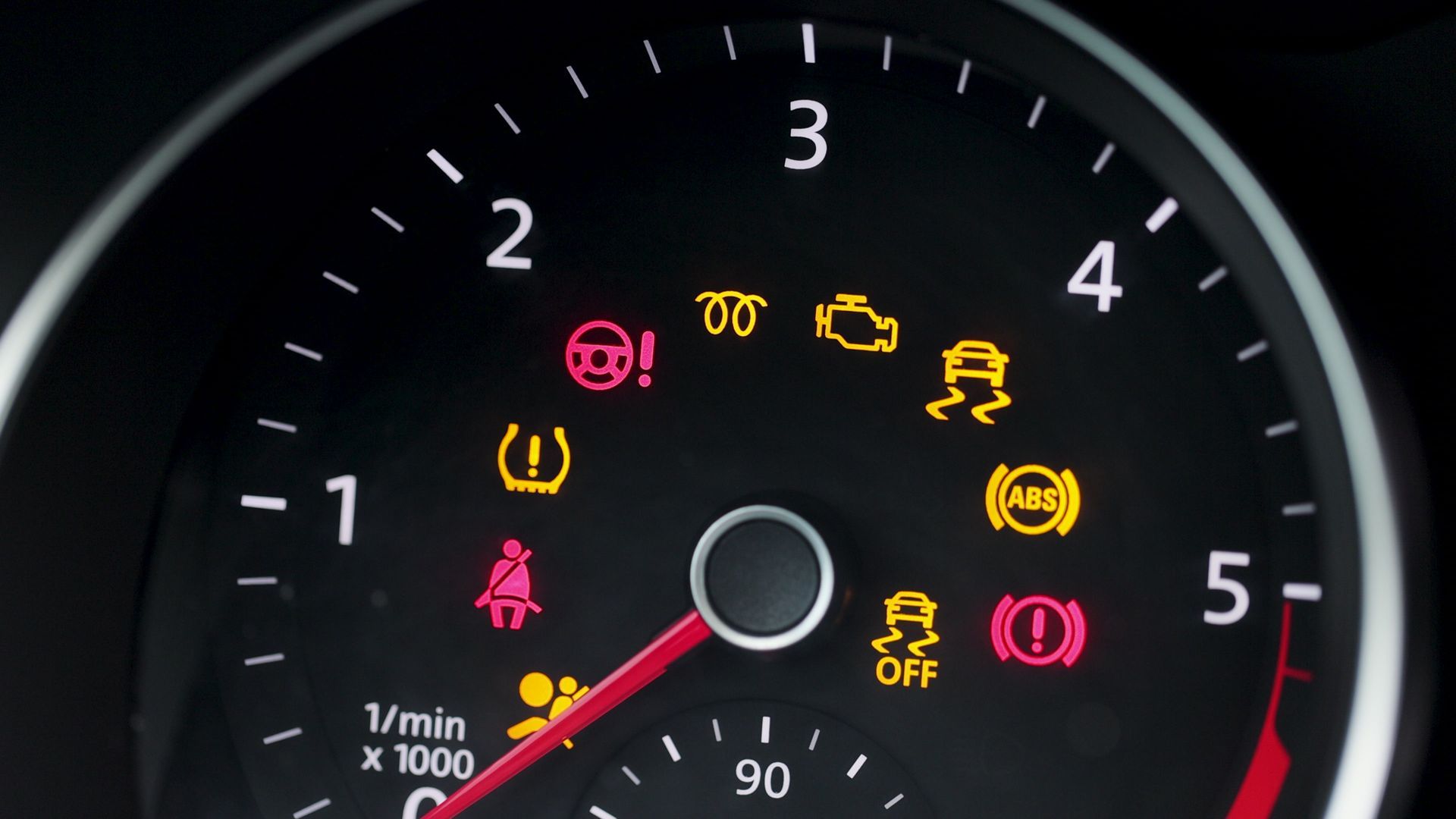
Modern systems do not rely on feeling alone. A red brake light can indicate low fluid, a hydraulic problem, or the parking brake being left on. An amber ABS light means the anti-lock system has a fault, so it may not prevent wheel lockup on slick roads.
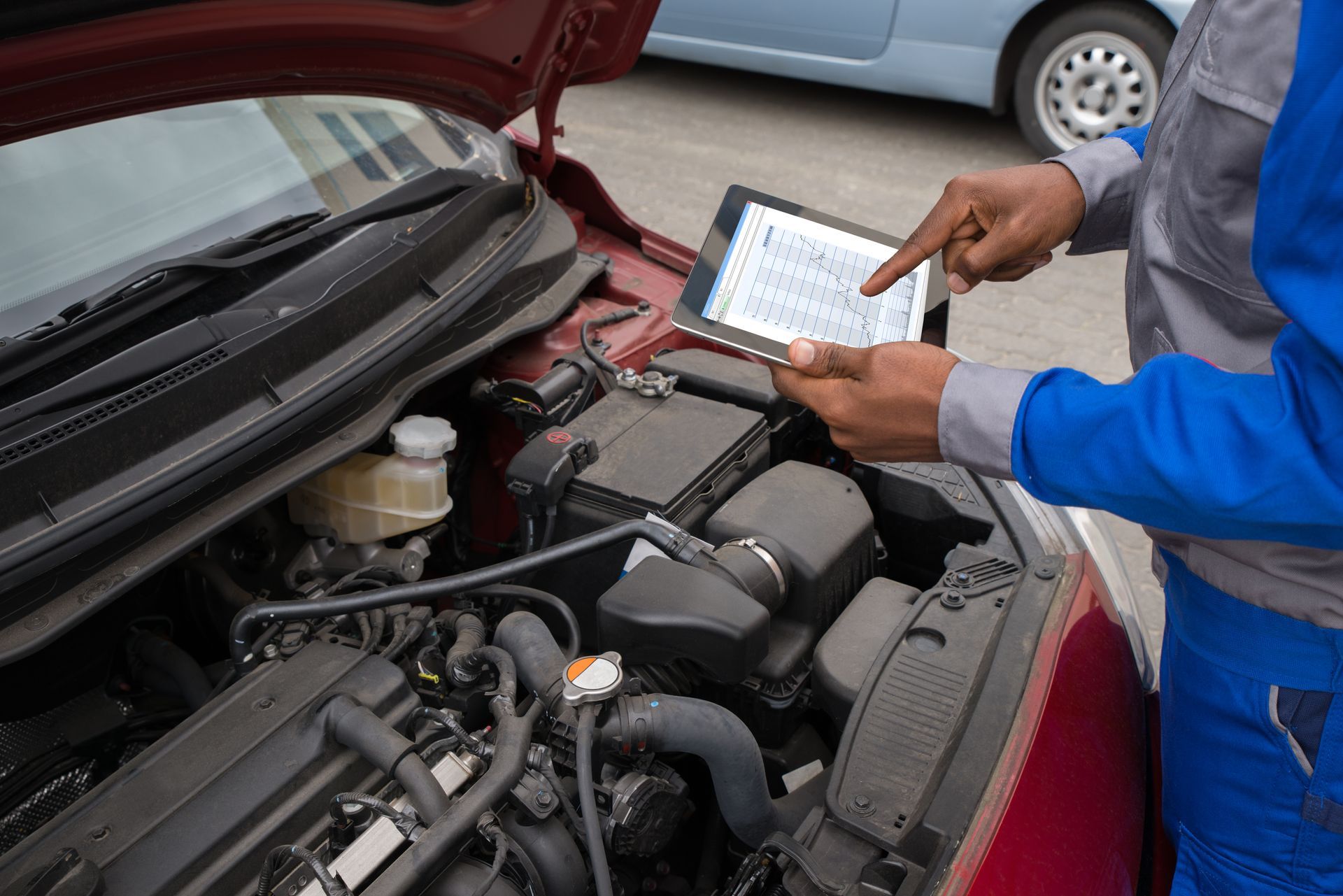
If the parking brake will not hold on a hill or releases unevenly, cables or electronic actuators may be binding. These alerts deserve quick diagnosis. Sometimes the fix is simple, like replacing worn pads that lowered the fluid level. Other times, the scan tool reveals a wheel speed sensor fault or a hydraulic imbalance that needs parts and a proper bleed.
What You Can Check at Home Before a Visit
You can gather useful information without tools. With the car parked, look through the wheel spokes to see the pad thickness where it meets the rotor. If there is only a slim sliver of material, service is due. Peek at the fluid level in the master cylinder reservoir. Low fluid can follow normal pad wear, but a sudden drop suggests a leak.
During a short test drive, note whether the noise changes when you lightly rest your foot on the pedal. That observation helps a technician separate pad vibration from other rattles.
What a Professional Brake Service Includes
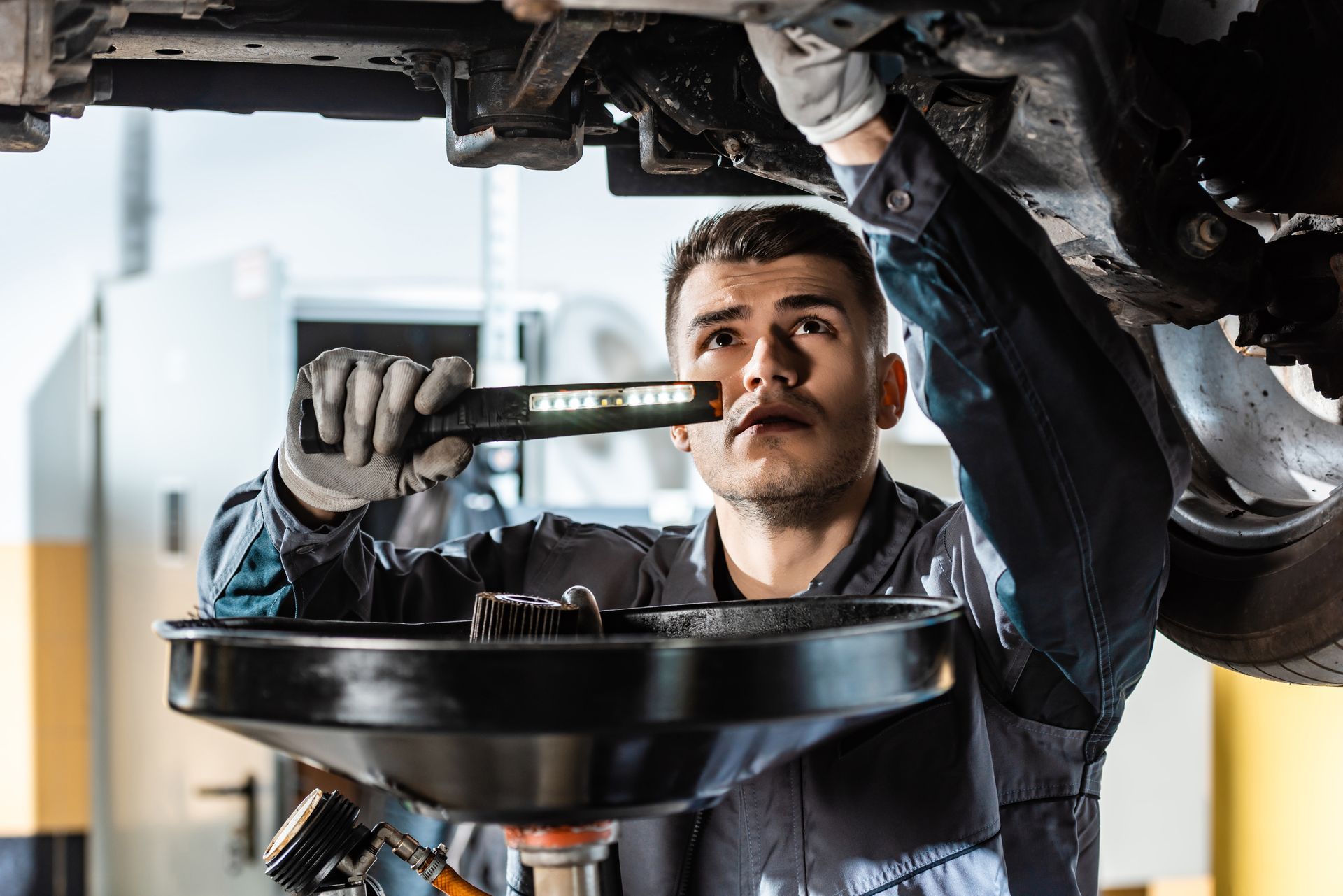
A thorough visit covers more than pads. Expect a road test to reproduce the symptom, a wheel-off inspection, measurement of rotor thickness and runout, and a check of pad taper and hardware condition. Caliper slides are cleaned and greased, pistons are inspected for smooth operation, and hoses are checked for cracking or internal collapse.
If fluid is dark, a complete exchange restores corrosion protection and firm pedal feel. The test drive that follows beds the pads and verifies a straight, quiet stop with no pull or pulsation.
Stop with Confidence at Matic’s Auto Repair & Diagnostic, Inc. in Port Charlotte, Florida
If you hear a squeal, feel a pulse, smell hot brakes, or notice a soft pedal, we can help. Our technicians inspect pads, rotors, calipers, hoses, and fluid, then recommend the right repair to restore quiet, straight, confident stops.
Schedule a visit with
Matic’s Auto Repair & Diagnostic, Inc. in Port Charlotte, Florida, and we will keep your braking system safe, responsive, and ready for every mile ahead.