An engine can keep running for years while small wear slowly builds inside it. Most drivers do not feel that wear right away. The car starts, gets through traffic, and sounds normal enough, so it is easy to push off service until a light comes on or a noise gets harder to ignore.
Oil changes and regular maintenance are not exciting services, but they do a lot of quiet work. They help protect the engine before wear turns into performance problems, leaks, overheating, or repairs that cost far more than basic service ever would.
Fresh Oil Protects Moving Parts
Engine oil creates a thin layer of protection between moving metal parts. That protection is needed every time the engine starts, idles, accelerates, and runs at highway speed. Without clean oil, internal parts deal with more friction and heat than they should.
As oil gets older, it loses some of its ability to protect. It picks up fuel residue, moisture, carbon, and tiny particles from normal engine operation. The engine may still sound fine, but the oil is no longer doing the job as well as it did when it was fresh.
Old Oil Allows Sludge To Build
Sludge is one of the biggest reasons delayed oil changes can shorten engine life. It forms when old oil, heat, moisture, and contamination mix inside the engine. Once sludge starts collecting in narrow oil passages, it can slow oil flow to parts that need steady lubrication.
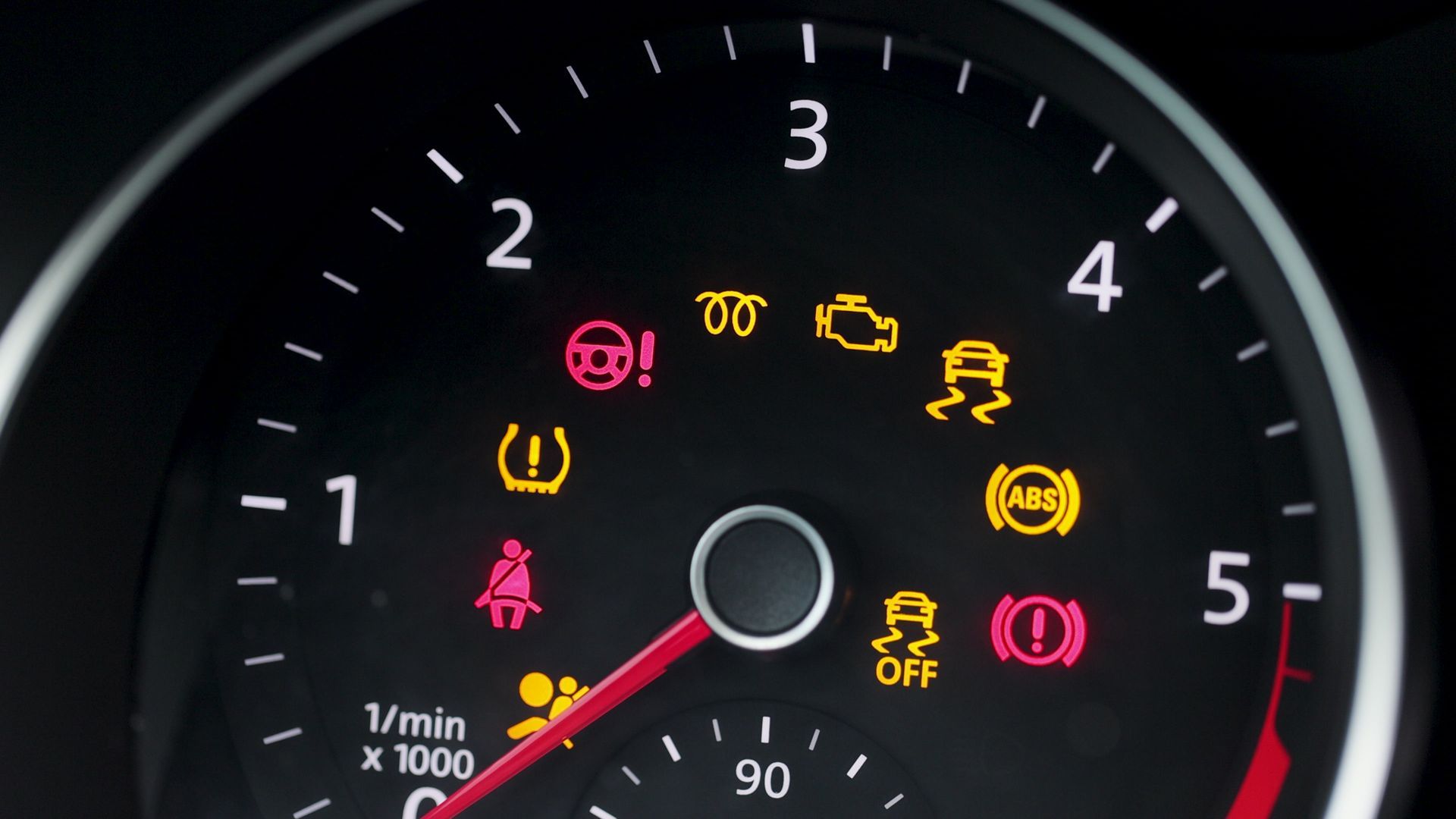
That can affect timing components, camshafts, variable-valve-timing components, and turbochargers on equipped vehicles. A driver might not notice anything until the engine starts making noise, running poorly, or showing a warning light. By then, the damage may have been building for a long time.
Oil Change Intervals Depend On How You Drive
Not every vehicle needs oil service at the same mileage. The owner’s manual gives a good starting point, but driving habits change the real-world picture. Short trips, hot weather, stop-and-go traffic, long idling, towing, and dusty roads can all accelerate oil wear.
A car that mostly takes quick local trips can be harder on oil than one that takes longer, steadier drives. The engine warms up, shuts off, cools down, and repeats that cycle over and over. Our technicians consider both mileage and driving conditions when helping drivers choose a service schedule that actually fits the vehicle.
Regular Checks Catch Leaks Early
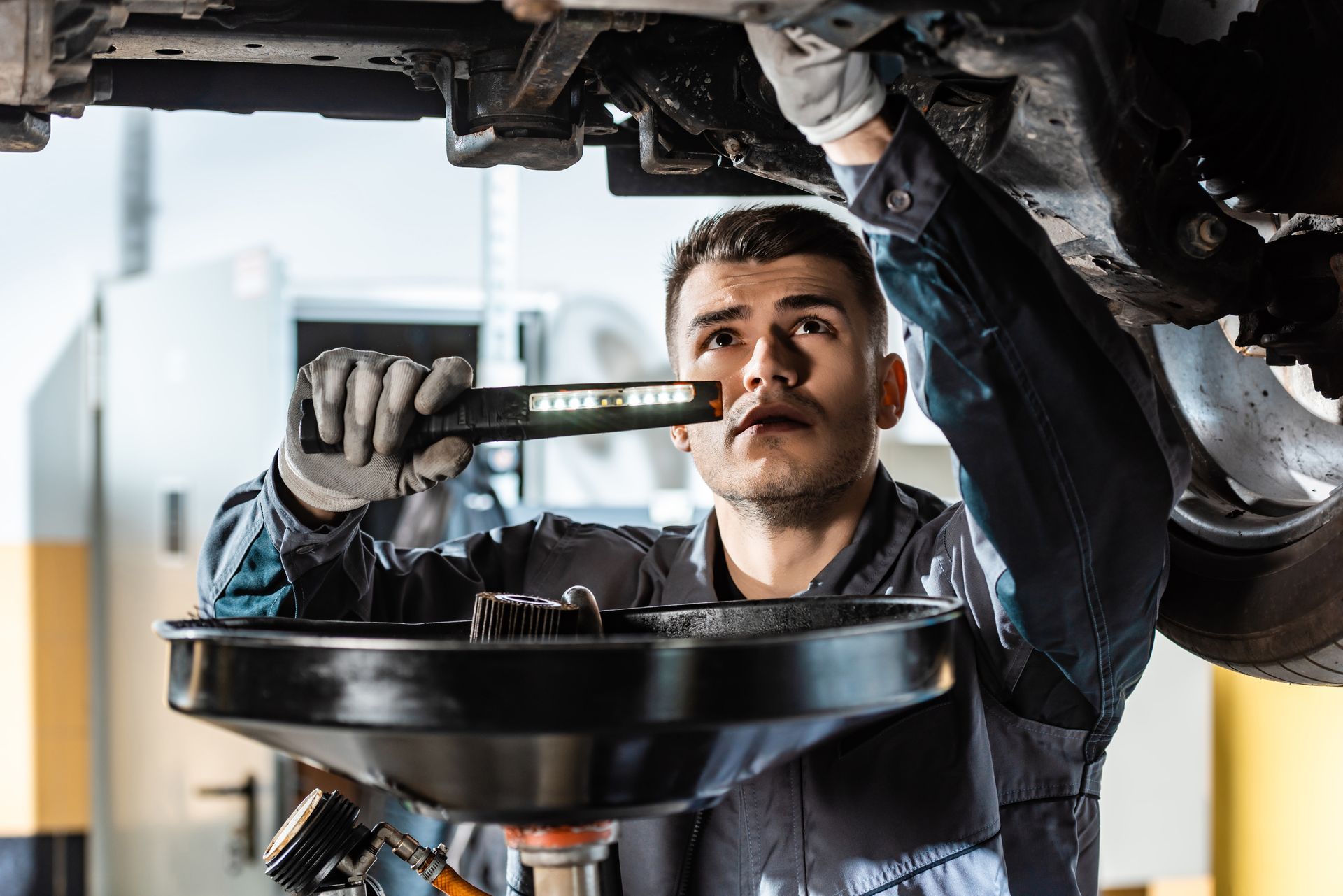
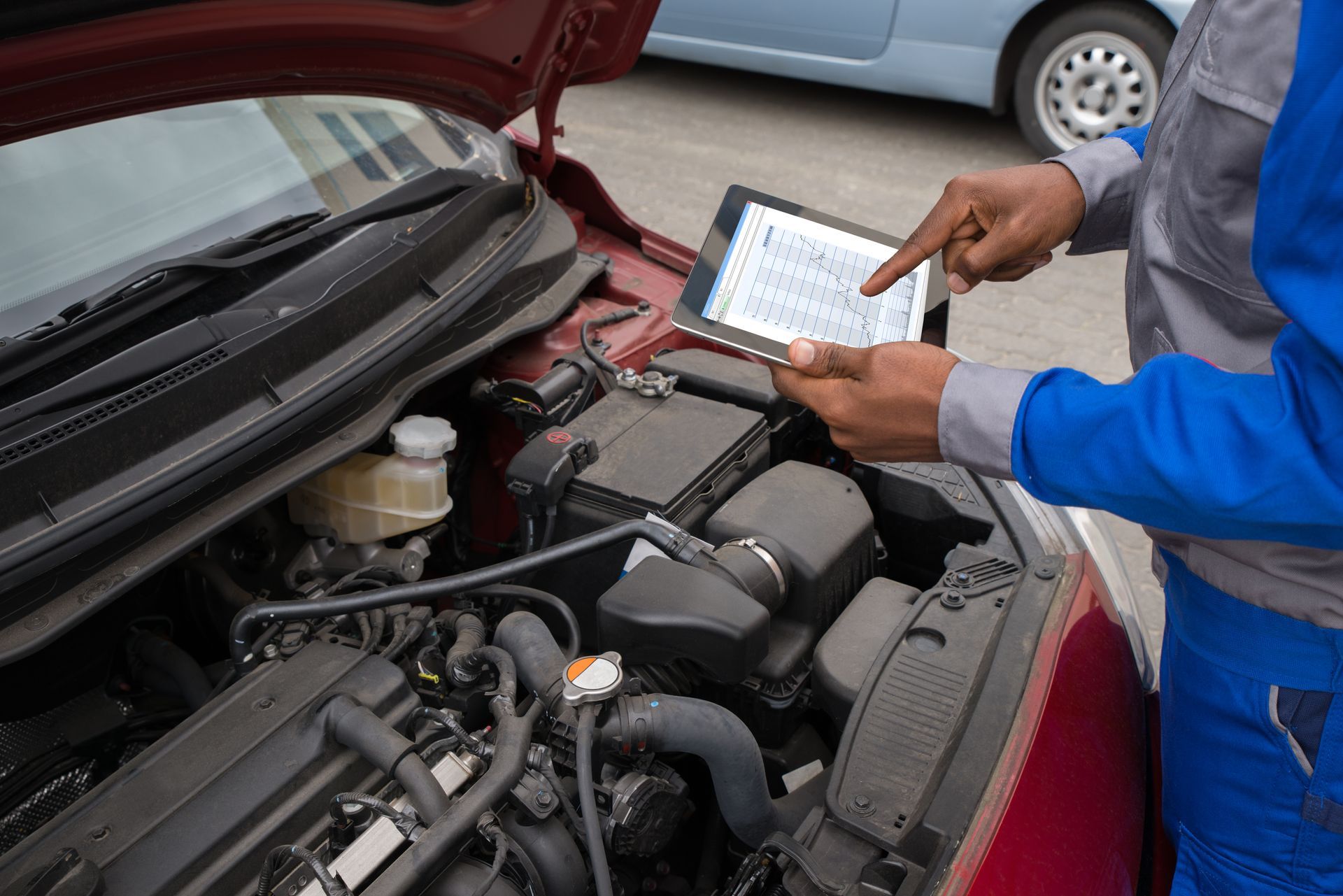
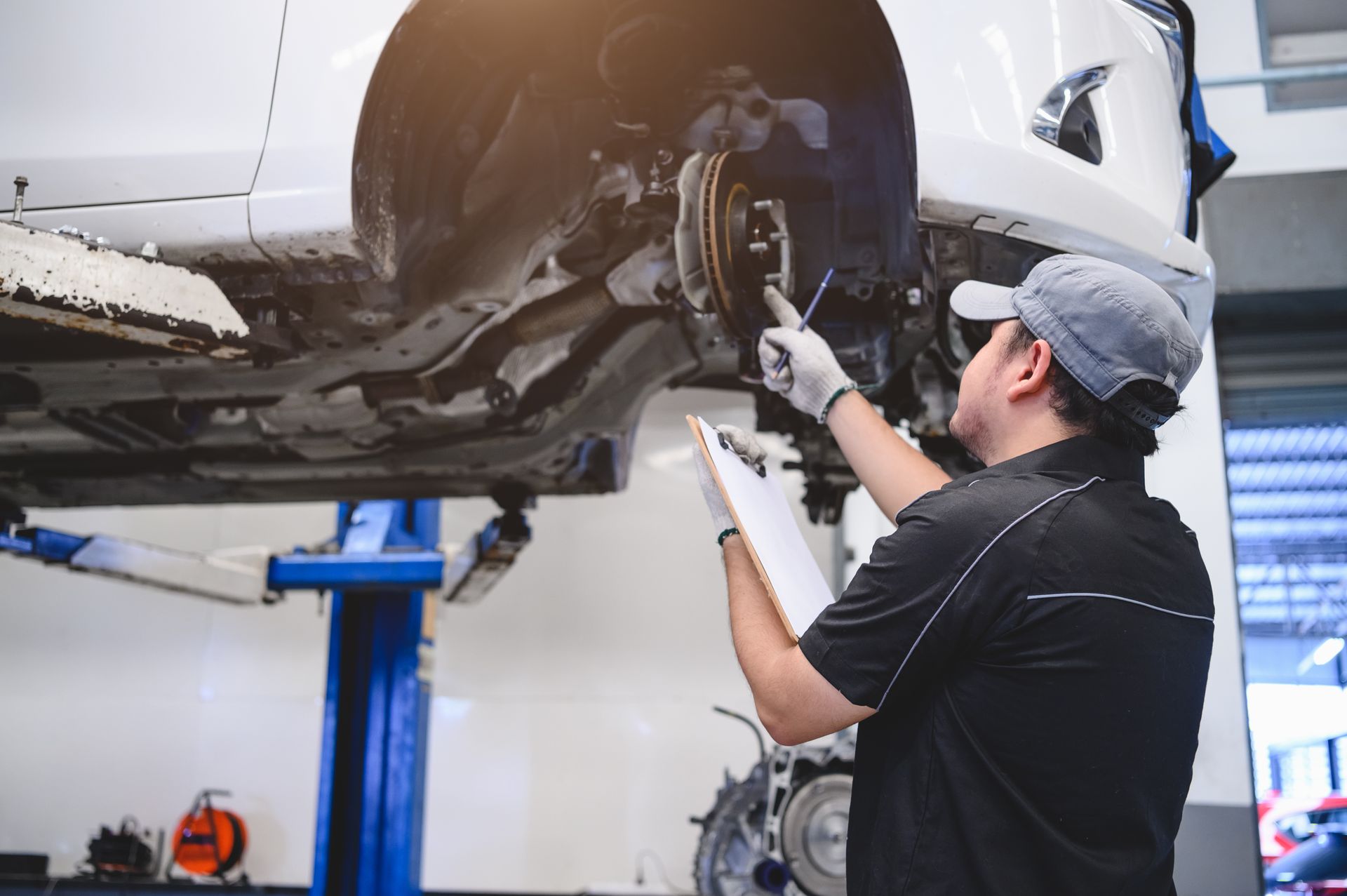
An oil change visit is also a good time to look for small problems underneath the car. Oil leaks, coolant seepage, cracked belts, weak hoses, worn tires, loose parts, and dirty filters can all show up during routine service. Catching those early gives you more control over the repair.
A small oil leak may only leave a faint smell or a few drops at first. Left alone, it can lower the oil level, coat nearby parts, and make it harder to spot the leak's source. During an inspection, we can look for those early signs before they turn into a bigger mess.
Filters Help Keep Contamination Out
The oil filter works with the oil to keep harmful debris from circulating through the engine. If the filter is old, clogged, or of poor quality, the engine is not getting the same level of protection. That is why a proper oil change should include a fresh filter that matches the vehicle’s needs.
Other filters help engine life too. The engine air filter keeps dirt from entering the intake. A dirty or restricted air filter can affect performance and fuel economy. Cabin filters protect the air you breathe, but the engine air filter protects the engine itself, so it should never be skipped or forgotten.
Maintenance Helps The Cooling System Protect The Engine
Engine life is not only about oil. Heat control is just as important. The cooling system keeps temperatures in the right range, and that system depends on the radiator, coolant, thermostat, hoses, water pump, and fans doing their jobs.
Low coolant, old coolant, or a small leak can put the engine at risk. Overheating can quickly damage gaskets, seals, and metal parts. Routine maintenance gives the cooling system a chance to be checked before the temperature gauge starts climbing.
Small Services Help Prevent Big Repairs
Many major engine repairs can be traced back to the basics that were delayed too long. Old oil, low oil, clogged filters, worn spark plugs, neglected coolant, and ignored leaks all make the engine work harder. None of those things always feels urgent at first.
That is why staying current with maintenance is less about perfection and more about not letting basic services fall too far behind. When the basics are handled on time, the engine has cleaner oil, better cooling, cleaner airflow, and fewer chances for avoidable wear to build quietly.
Get Oil Change And Maintenance Service In Port Charlotte, FL, With Matics Auto Repair
If your vehicle is due for an oil change or you are not sure whether your maintenance schedule aligns with your driving habits, Matics Auto Repair in Port Charlotte, FL, can help keep the engine protected with the right service and inspections.