Florida rain can turn a normal drive into a white-knuckle one fast. One minute the road is dry, and the next minute water is collecting in the lane, spray is coming off every truck, and the steering feels lighter than it should. At that moment, your tires are doing more than carrying the car. They are deciding how much control you still have.
Tires that seem acceptable on a dry day may not be ready for heavy rain. Tread depth, tire age, air pressure, alignment, wear pattern, and rubber condition all affect how well the tire can move water out from under the vehicle. During storm season, the difference between a safe tire and a questionable one can show up quickly.
Tread Depth Is Your First Rain Safety Check
Tread channels are designed to move water away from the tire’s contact patch. When the tread gets shallow, there is less room for water to escape. That makes the tire more likely to ride on top of water rather than cut through it.
That is hydroplaning. It can happen suddenly, especially at higher speeds or when water is standing in the road. The steering may feel light, the engine speed may rise, or the car may drift without responding normally. At that point, the tire has lost proper contact with the pavement.
Legal tread depth is not always the same as rain-ready tread depth. A tire can be barely legal and still feel poor in Florida storms. If the tread is getting low, it is worth replacing the tires before the worst weather exposes the problem.
Uneven Wear Can Be Just As Risky As Low Tread
A tire does not have to be worn evenly to become unsafe. One edge may be bald while the center still looks decent. The inside shoulder may be worn down, making it hard to see from outside the vehicle. That kind of wear can reduce grip in the rain even when the tire looks acceptable at a quick glance.
Uneven wear often points toward alignment problems, worn suspension parts, incorrect tire pressure, or lack of rotation. If the tire is wearing crooked, the vehicle may also pull, vibrate, or feel less stable on wet roads.
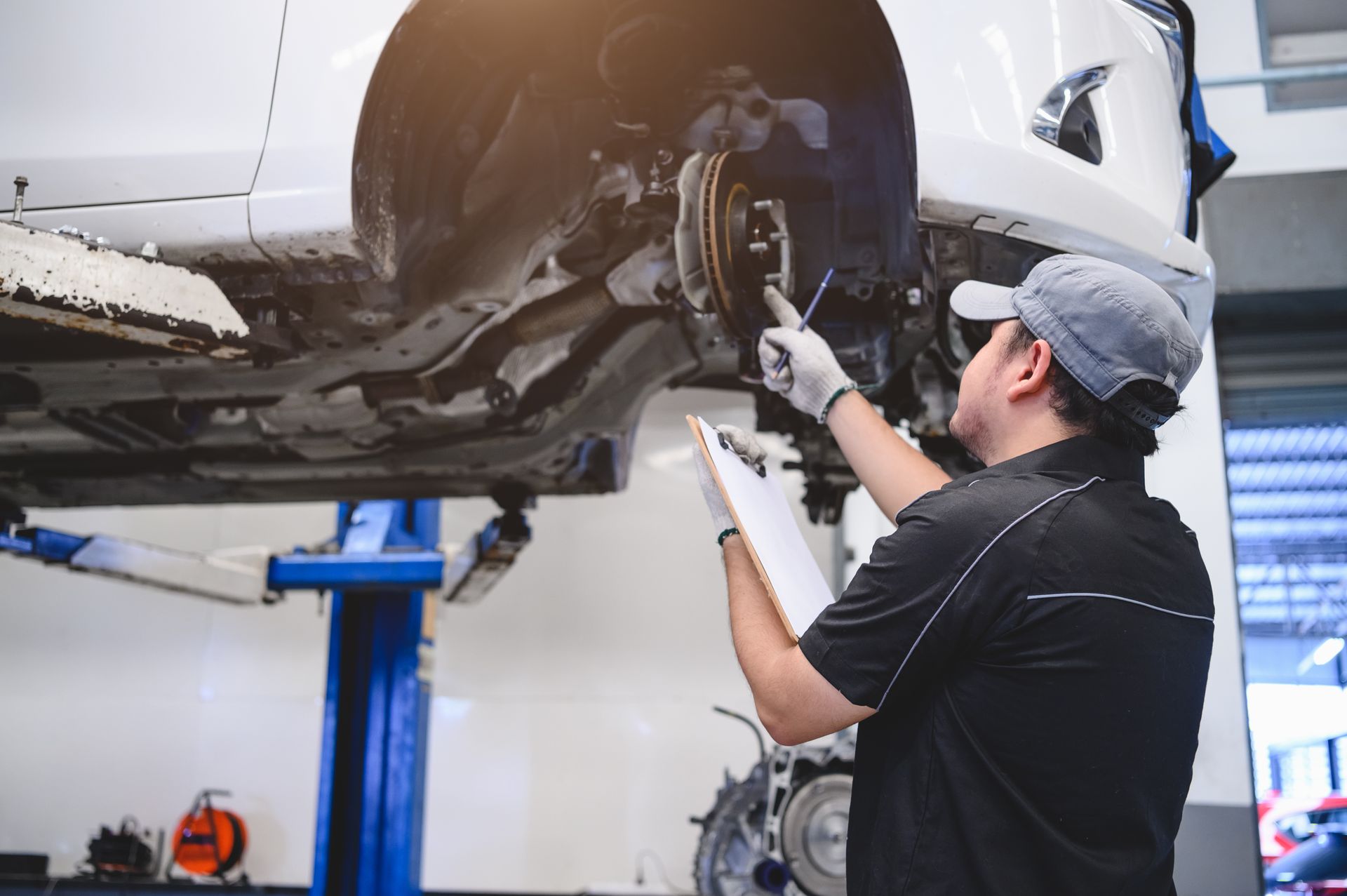
This is why a proper tire inspection should include the inner and outer tread, not just the top surface. The part you cannot see from a standing position may be the one most likely to fail.
Tire Age Matters In Florida Heat
Tires age even when they still have tread. Florida heat, sun exposure, humidity, and road temperatures can dry the rubber over time. As rubber hardens, wet traction can drop. The tire may look fine from a distance but show cracks, checking, or a dry surface when inspected closely.
Older tires can also be more prone to separation or sidewall issues, especially during long drives in hot weather. If you do not know how old the tires are, the DOT date code can help identify when they were made.
A tire with deep tread but aged rubber may not perform the way a driver expects in heavy rain. Storm season is a good time to look at age, not just tread depth.
Air Pressure Affects Wet Grip
Underinflated tires can flex too much, run hotter, wear faster, and handle poorly. Overinflated tires can reduce the contact patch and make the vehicle feel less planted. Either condition can worsen wet-weather control.
Air pressure should be checked when the tires are cold and set to the pressure listed for the vehicle, not the number on the tire sidewall. The sidewall number is the tire’s maximum pressure, not the recommended pressure for your car.
If one tire keeps losing air, it should be checked for a puncture, valve stem leak, bead leak, cracked wheel, or corrosion around the rim. A slow leak may seem harmless until the next storm, when the car feels unstable.
Warning Signs Your Tires Need Attention Before Heavy Rain
Some tire problems are easy to miss during dry weather. Heavy rain makes them harder to ignore.
- The tread is close to the wear bars, which means the tire has far less room to push water away from the road surface.
- The car pulls or wanders in the rain, which can point toward uneven tire wear, alignment concerns, low pressure, or suspension wear.
- The steering feels light over puddles, which may mean the tires are starting to hydroplane before you expect it.
- Cracks appear on the sidewall or between tread blocks, which can mean the rubber is aging from heat and sun exposure.
- One tire wears faster than the others, which usually means the tire problem is being caused by something else on the vehicle.
- The car vibrates at highway speed, which can involve tire balance, tire damage, bent wheels, or uneven wear.
These signs deserve attention before storm season driving becomes part of your daily routine.
Tires And Brakes Work Together In Rain
Good brakes still need good tires. The brake system slows the wheels, but the tires are what grip the road. If the tires lack traction, the stopping distance increases, even when the brakes are in good condition.
That is why rain safety is not only about tire tread. Brakes, suspension, alignment, and tire condition all work together. A vehicle with worn shocks or struts can have a harder time keeping the tires planted. A bad alignment can cause uneven tire wear. A weak brake system can make wet stops feel less controlled.
Regular maintenance helps catch those connected issues before wet roads make them obvious.
Get Tire Safety Inspection In Port Charlotte, FL, With Matics Auto Repair
If you are not sure whether your tires are ready for Florida storm season, Matics Auto Repair in Port Charlotte, FL, can check tread depth, tire age, air pressure, uneven wear, alignment clues, and visible damage.
For a tire safety inspection before heavy rain puts your traction to the test, contact us to schedule an appointment.
Common Questions About Tire Safety In Heavy Rain
How Much Tread Do I Need For Safe Driving In Heavy Rain?
More tread gives the tire more room to move water away from the road. If your tires are close to the wear bars or feel unstable in rain, they should be inspected before storm season driving gets worse.
Can Good Tires Still Hydroplane?
Yes. Even good tires can hydroplane if speed is too high or water is deep enough. Worn tires, low pressure, and shallow tread make it easier to happen.
Should I Replace All Four Tires Before Storm Season?
It depends on tread depth, age, wear pattern, and drivetrain type. If two tires are much better than the others, the vehicle should be inspected so the safest replacement plan can be chosen.