Some drivers feel more confident in a car built twenty years ago than in a new vehicle filled with touchscreens, cameras, automated controls, and connected services. That preference is not always based on nostalgia. Older vehicles often feel easier to understand because their controls are direct, their mechanical systems are familiar, and many repairs can be completed without extensive programming.
Newer cars offer major improvements in crash protection, fuel control, emissions performance, comfort, and driver assistance. Even so, greater complexity can make owners feel less connected to how the vehicle operates. Trust often comes from familiarity, predictability, and confidence that a problem can be understood and repaired.
Older Vehicles Often Feel More Mechanical
Many older cars use physical cables, hydraulic controls, mechanical switches, and relatively simple electrical circuits. Pressing a pedal, turning a knob, or moving a lever creates an immediate and understandable response.
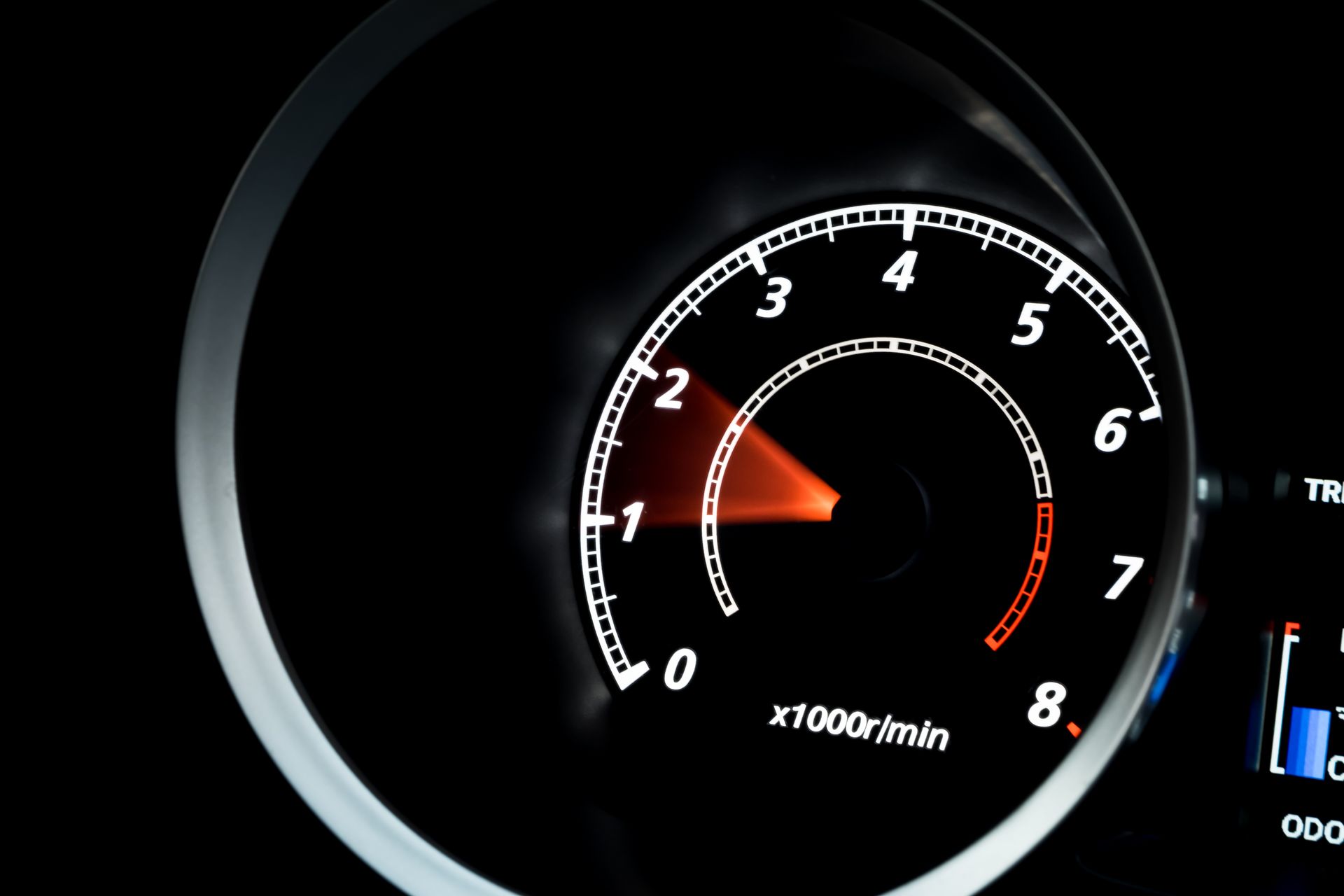
Newer vehicles rely more heavily on electronic modules, network communication, sensors, software, and electrically controlled actuators. The accelerator pedal may send a signal to the engine computer rather than opening the throttle directly. A gear selector may transmit an electronic request instead of moving a mechanical linkage.
These systems can operate with excellent precision, but the driver may feel separated from the process. When a feature stops responding, the cause may involve software, wiring, a sensor, a module, or the mechanical component itself. Older systems often appear easier to trace because fewer parts are involved.
Long Ownership Builds Familiarity
A driver who has owned the same vehicle for many years knows how it starts, shifts, brakes, sounds, and responds in different weather. Small changes become noticeable because the owner has a clear understanding of its normal behavior.
That familiarity creates confidence. The driver knows whether the engine usually cranks twice before starting, how the transmission feels during a cold morning, and which interior rattle has remained unchanged for years. A new vehicle may be objectively more capable while still feeling unfamiliar.
Trust also grows when a car has completed thousands of trips without leaving its owner stranded. Proven reliability carries emotional weight that a new warranty and clean odometer have not yet earned.
Repairs May Be Easier To Understand
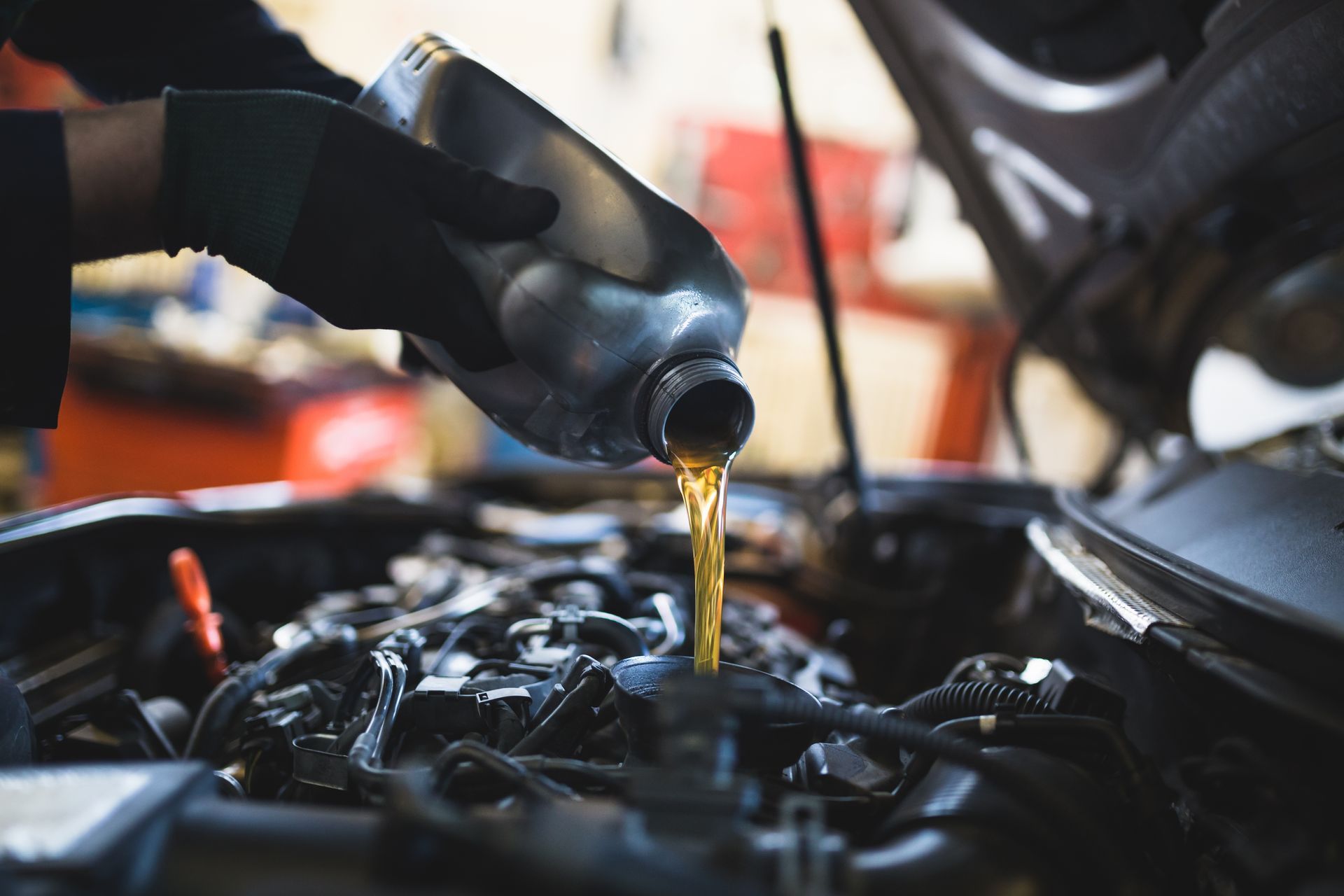
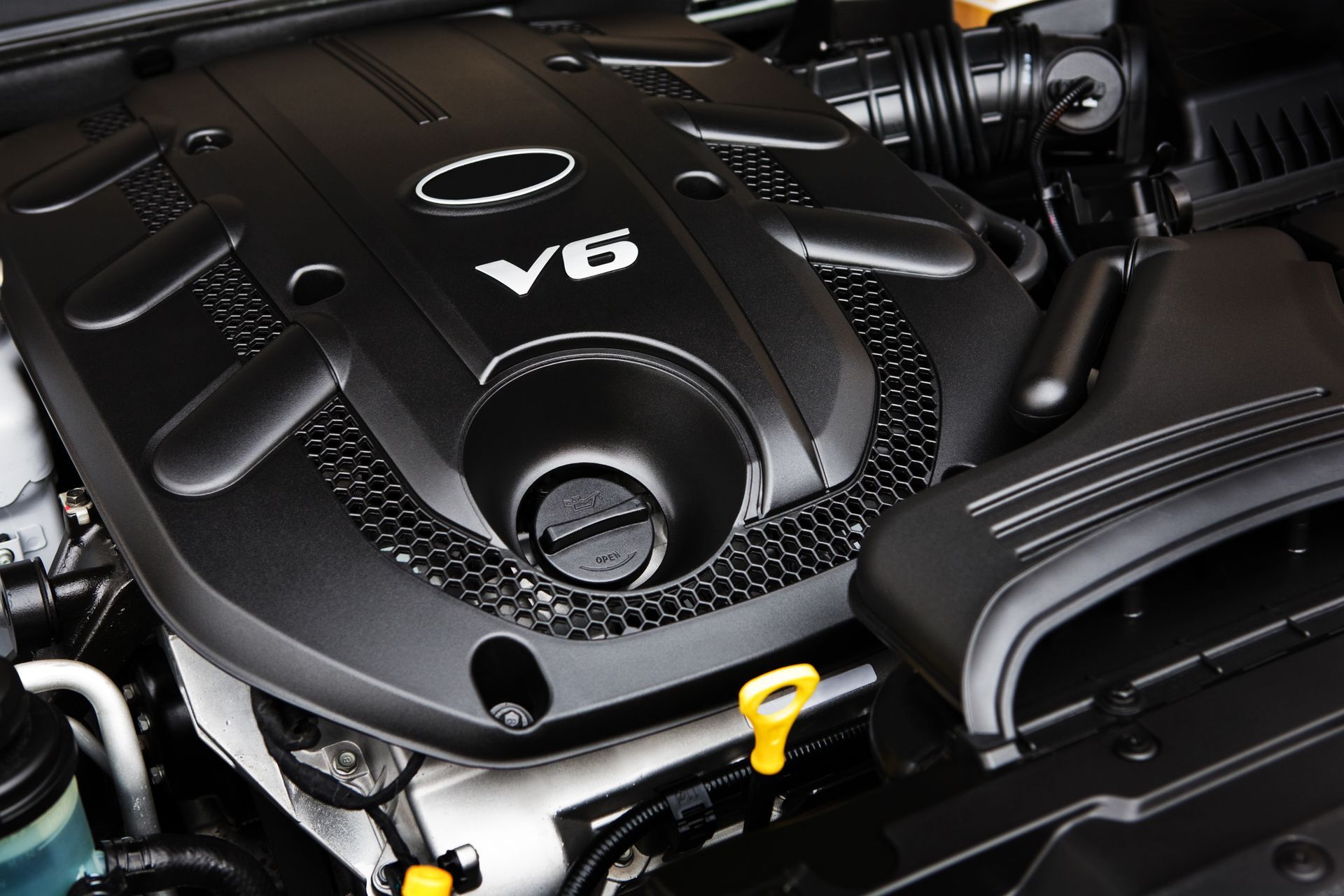
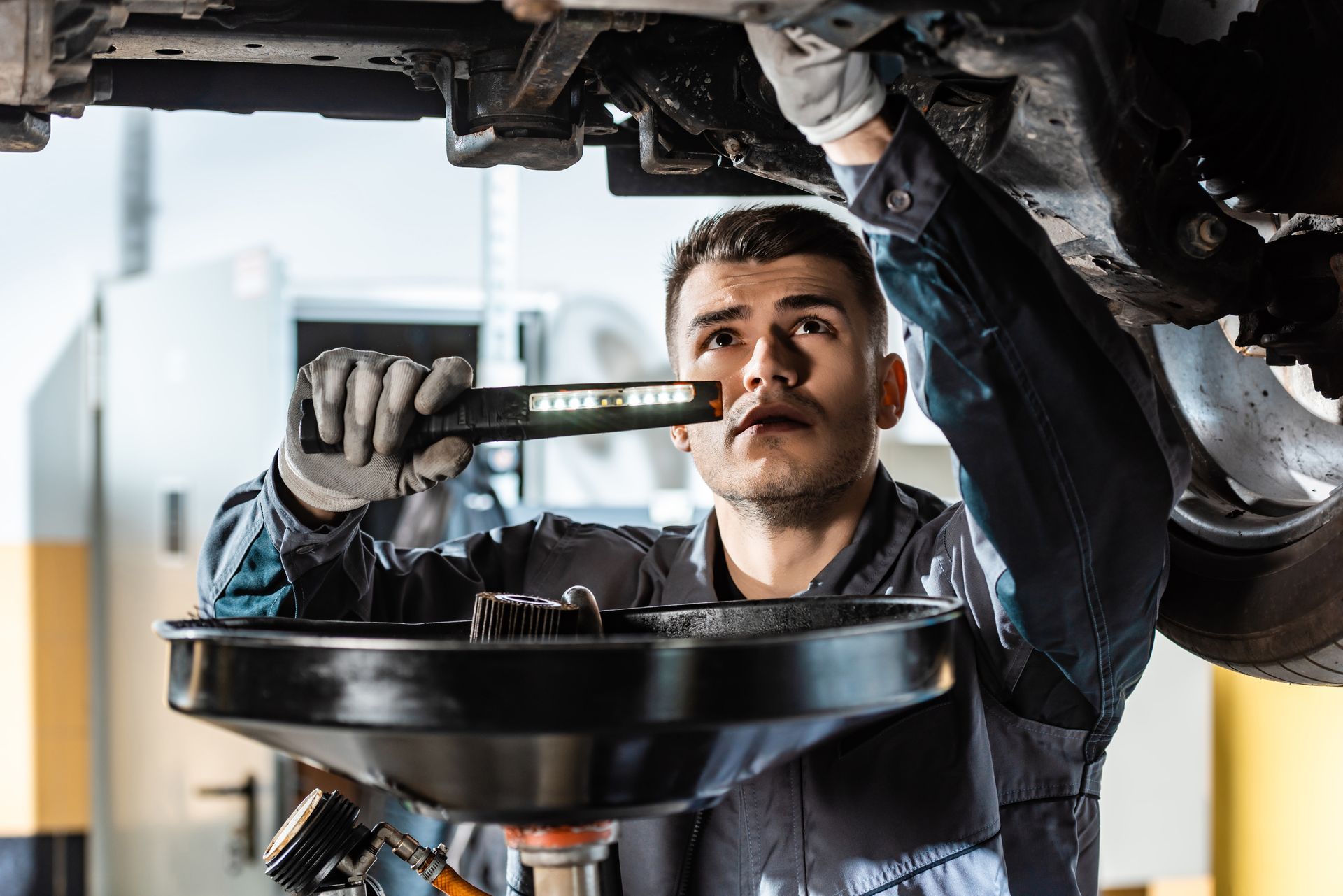
Older vehicles often have more room around the engine and fewer layers of equipment covering basic components. Spark plugs, belts, filters, batteries, and cooling system parts may be easier to reach.
Many experienced technicians and owners also know the common wear patterns of established models. Years of service history reveal which components tend to fail, what symptoms they create, and which repairs provide lasting results.
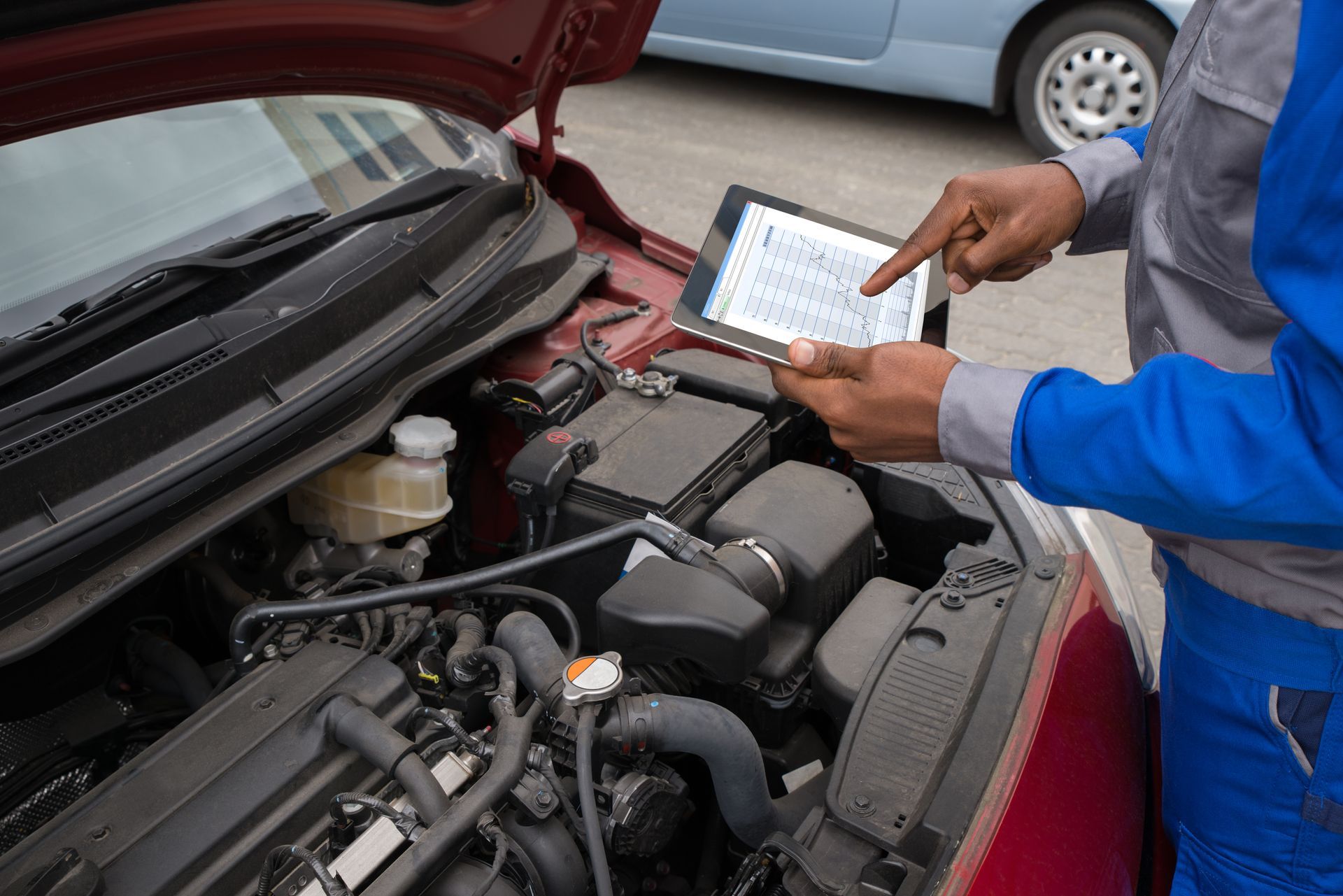
New vehicles can require electronic service modes, component registration, programming, calibration, or manufacturer-specific equipment. Mechanical work may be only one part of the repair. This does not make newer vehicles unreliable, but it can make the repair process feel less transparent to owners.
Physical Controls Inspire Confidence
Buttons, knobs, and switches provide tactile feedback. Drivers can adjust temperature, fan speed, headlights, or audio settings without looking away from the road for long. The control remains in the same location and performs one clear function.
Touchscreens can combine dozens of settings into a single display. This reduces the number of physical controls and allows manufacturers to update features through software, but important functions may require several menu selections.
Drivers who prefer older cars often value controls that work immediately without loading screens, warning messages, account connections, or software changes. A worn physical switch can usually be replaced. A display failure may affect several unrelated features at once.
Some Drivers Prefer Fewer Automated Features
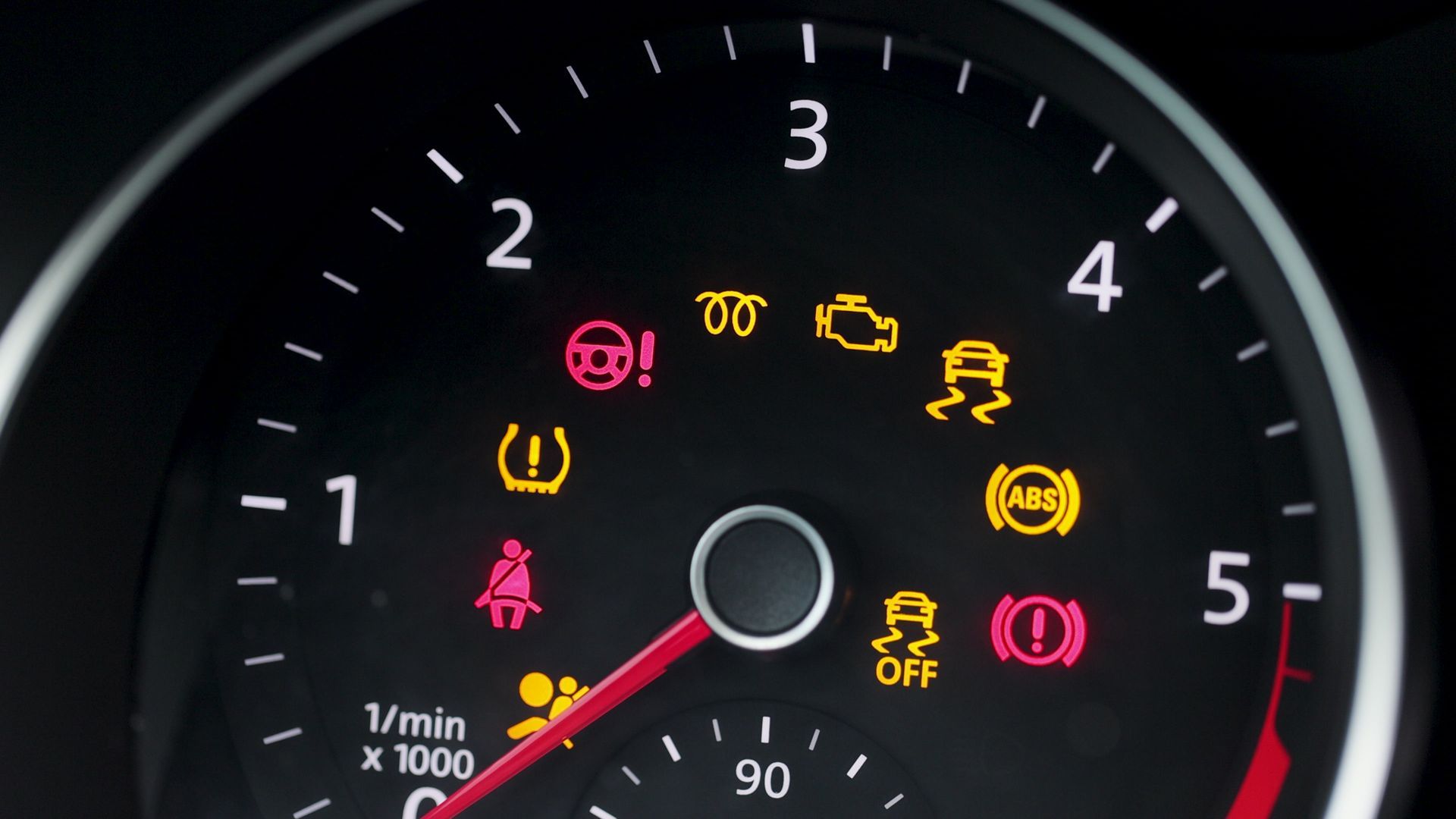
Modern vehicles may include lane assistance, automatic emergency braking, adaptive cruise control, parking support, automatic engine stop-start, and electronic parking brakes. These systems can reduce workload and provide valuable support when operating correctly.
Some drivers dislike unexpected steering input, warning sounds, automatic braking, or settings that reset after every restart. They may trust a vehicle more when they remain fully responsible for every control input.
Common reasons drivers prefer older systems include:
- Fewer warning messages
- Less dependence on software
- Physical control over major functions
- No subscription-based features
- Simpler battery replacement
- Fewer cameras and radar sensors
- Less concern about electronic calibration
Driver-assistance technology should still be viewed as support rather than a replacement for attention. Proper operation also depends on clean sensors, correct wheel alignment, healthy electrical voltage, and accurate information from the braking and steering systems.
Older Does Not Automatically Mean More Reliable
A simpler vehicle can still develop serious problems. Rubber seals harden, wiring corrodes, plastic becomes brittle, and metal parts wear. Brake lines, fuel hoses, suspension joints, wheel bearings, and cooling system components may require increasing attention as age and mileage rise.
An older car with complete records and consistent regular maintenance may be far more dependable than a neglected newer model. The opposite is also true. Age alone does not establish condition.
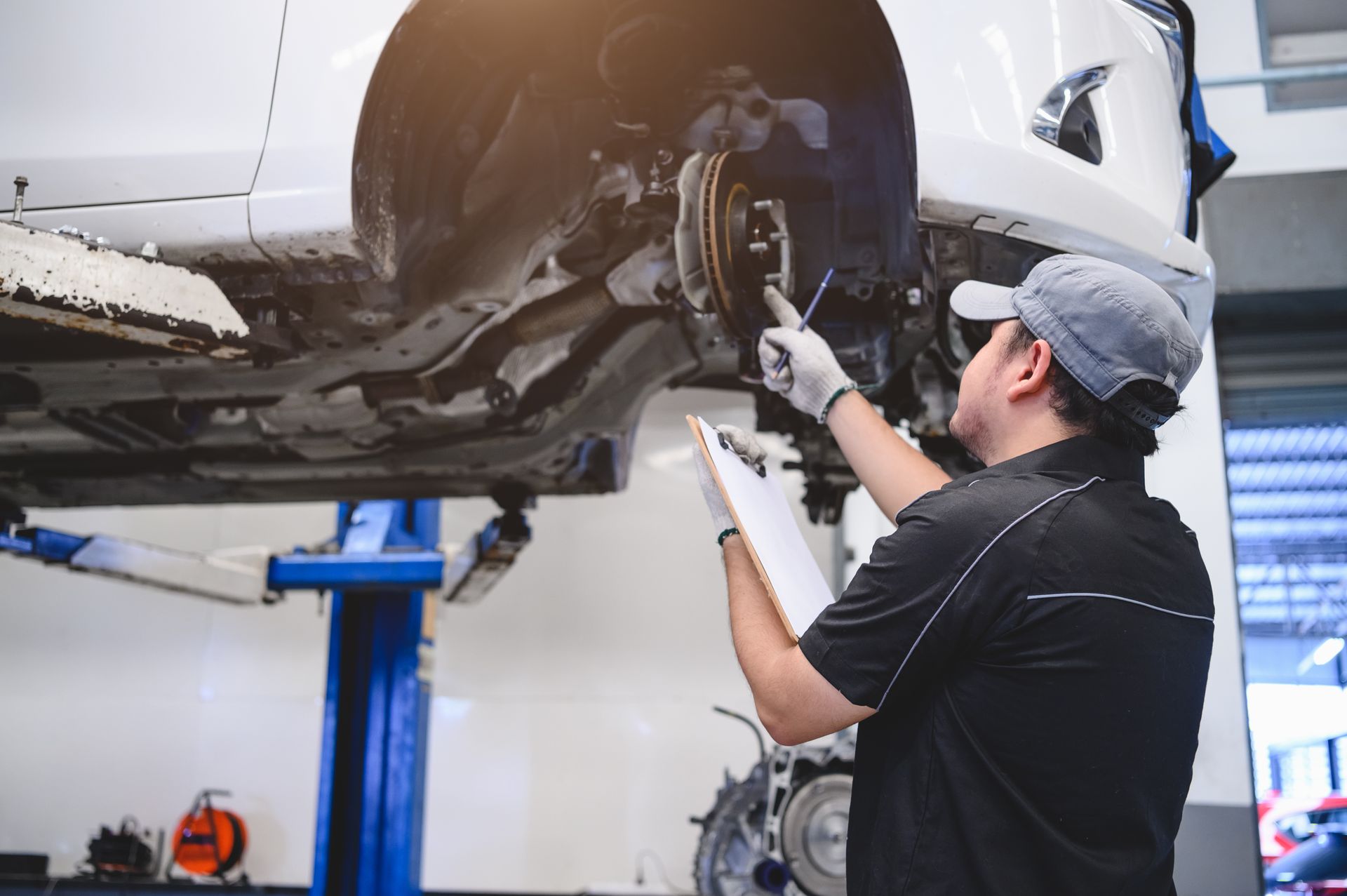
A professional inspection should review fluid leaks, corrosion, brakes, tires, steering, suspension, cooling system performance, charging output, and structural condition. An older vehicle remains trustworthy when its owner responds to wear before it affects safety or reliability.
New Cars Offer Important Advantages
Newer vehicles generally provide stronger occupant protection, more advanced restraint systems, improved emissions control, and better fuel management. Modern engine computers can adjust for temperature, elevation, fuel quality, and changing operating conditions with impressive accuracy.
Electronic systems also identify faults that older vehicles might not detect until performance becomes severe. Wheel speed sensors, tire pressure monitoring, stability control, and airbag monitoring provide information that can protect the driver.
The strongest choice depends on the owner’s priorities. Some people value simplicity and familiarity with repairs. Others prefer newer safety technology, efficiency, comfort, and warranty coverage. Neither preference is irrational when the vehicle is maintained correctly and suits the driver’s needs.
Get Older Vehicle Maintenance In Port Charlotte, FL, With Matics Auto Repair
Matics Auto Repair in Port Charlotte, FL, can evaluate aging vehicles for fluid leaks, cooling system wear, electrical concerns, brake condition, suspension problems, and developing reliability issues.
Contact us to schedule service and keep the older car you trust operating safely and dependably.