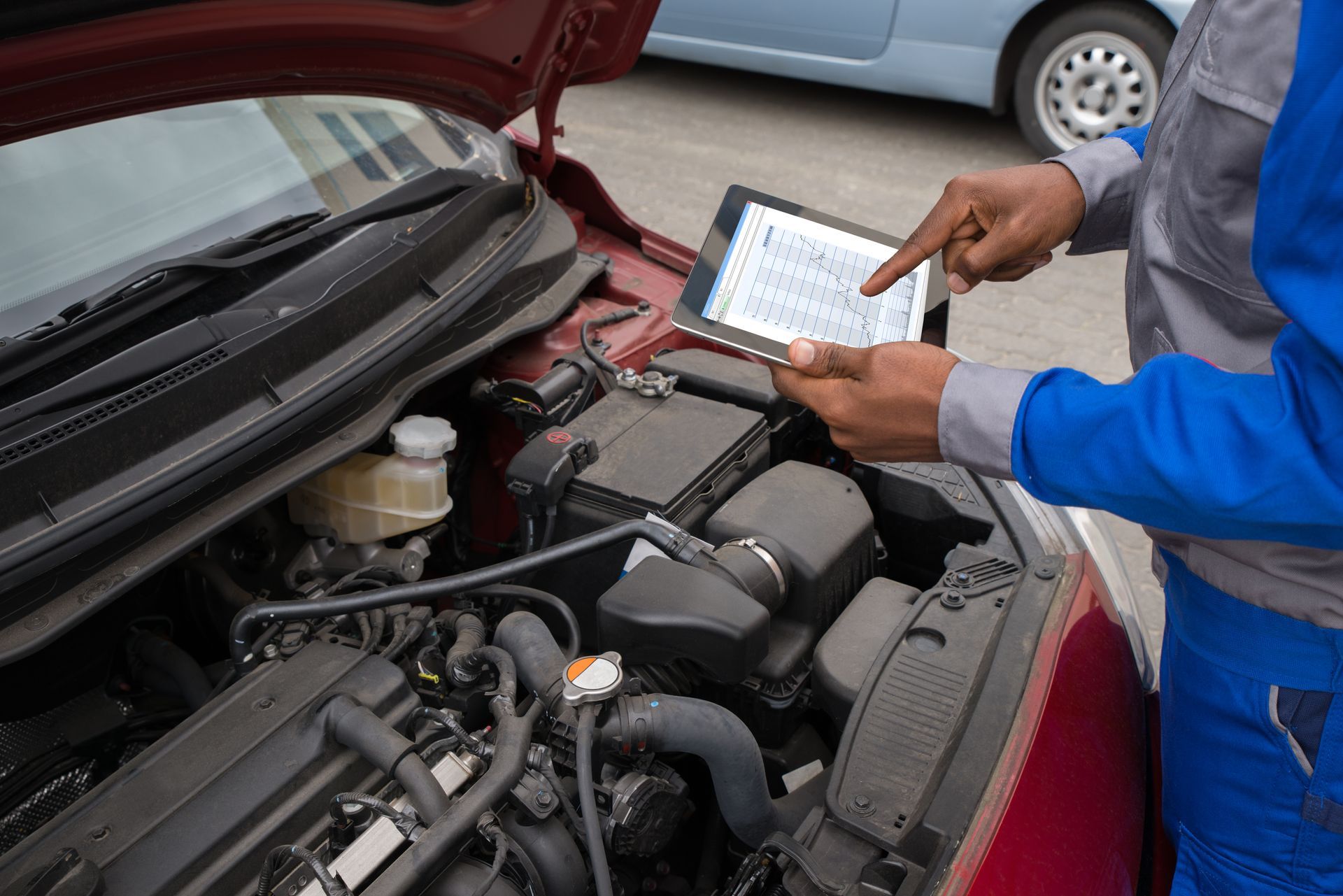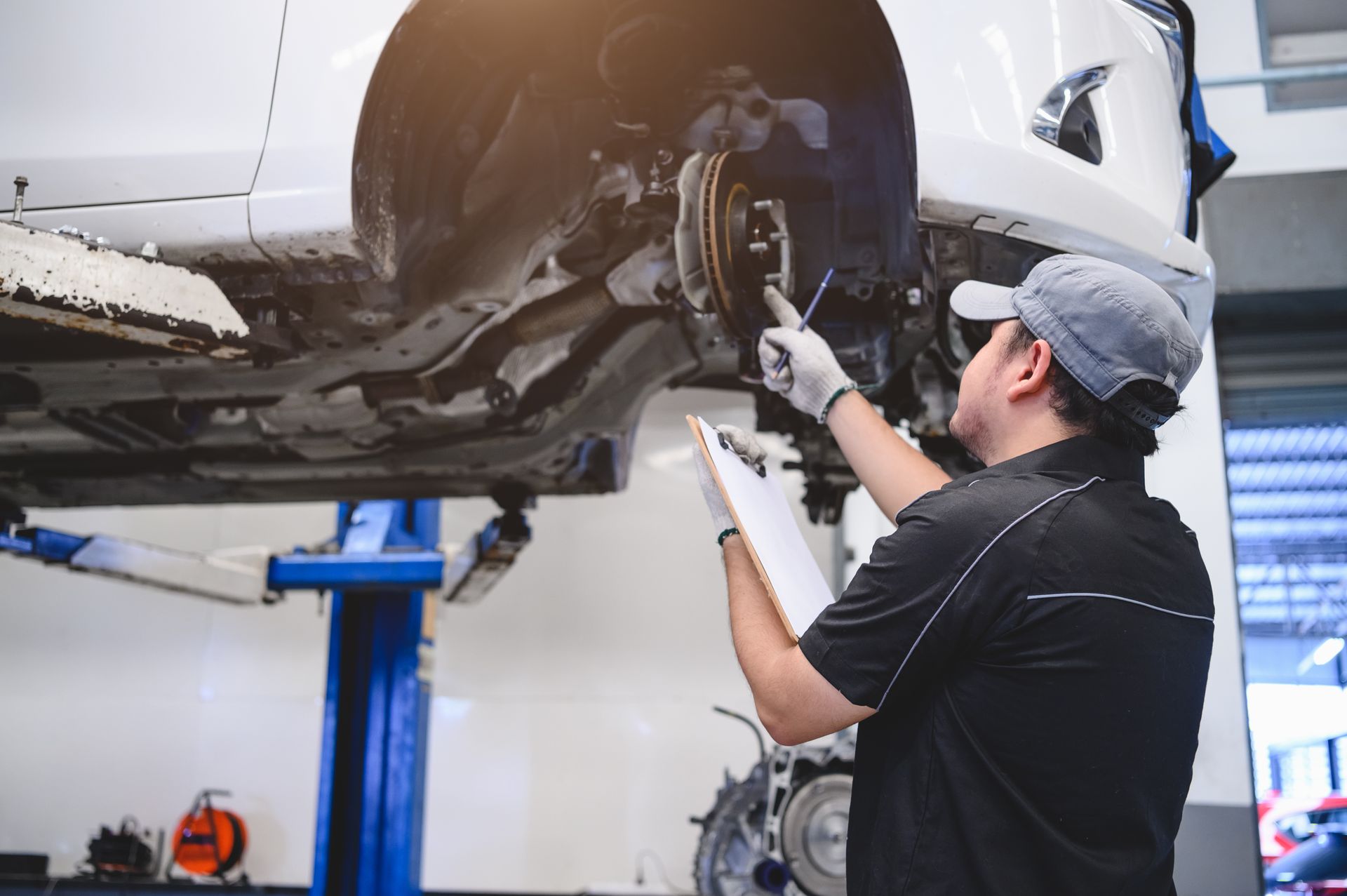
A car that runs normally while moving but stalls as you slow down or stop is usually having trouble maintaining a stable idle. The engine can keep itself running when the throttle is open, but once your foot comes off the accelerator, something is interfering with the smaller amount of air, fuel, or spark needed at idle.
The pattern matters. Some vehicles stall only after a long drive, while others shut off at nearly every red light. We pay attention to whether the engine shakes first, whether RPM drops slowly or suddenly, and whether the vehicle restarts right away. Those details help narrow the problem before parts start getting replaced.
Dirty Throttle Bodies Can Let Idle Speed Drop Too Far
The throttle body controls how much air enters the engine. On many modern vehicles, the engine computer uses an electronic throttle plate to maintain idle speed once your foot is off the accelerator.
Carbon buildup around the throttle plate can restrict that small amount of airflow. The engine may stumble, idle too low, or stall when you stop, especially if the A/C compressor adds extra load. At our shop, we inspect throttle condition and compare commanded idle speed with what the engine is actually doing before recommending cleaning or replacement.
Vacuum Leaks Can Make Idle Unstable
A vacuum leak allows air into the engine without passing through the normal airflow measurement path. At higher RPM, the extra air can be less noticeable because the engine is already moving a much larger volume.
At idle, the same leak can throw the air-fuel mixture off enough to cause stumbling or stalling. Cracked intake hoses, PCV components, intake gaskets, and vacuum lines are common places we check. Scan data such as fuel trims can show whether the engine is compensating for air entering where it shouldn't.
Fuel Delivery Problems Can Show Up at Low Speed
Weak fuel pressure, a restricted fuel supply, dirty injectors, or a failing fuel pump can all make the engine struggle to stay running. The vehicle may seem acceptable while cruising and then lose stability as RPM falls back toward idle.
We check pressure and delivery when the symptoms point in that direction. If fuel pressure drops unexpectedly or one cylinder doesn't receive fuel consistently, the engine can shake and shut off at a stop. Inspecting the fuel system is more useful than replacing injectors or a pump just because the engine stalled.
A Torque Converter Clutch Can Keep the Engine Loaded
On an automatic transmission, the torque converter allows the engine to keep running while the vehicle is stopped. Many transmissions also use a torque converter clutch that locks during driving for better efficiency.
If that clutch fails to release as the vehicle slows down, the engine can stall in a way that feels similar to stopping a manual-transmission car without pressing the clutch pedal. The vehicle may restart immediately and drive normally until the next stop. If stalling happens mainly after cruising and then coming to a complete stop, transmission operation becomes an important part of the diagnosis.
Sensor Problems Can Affect Idle Control
The engine computer depends on several sensors to decide how much fuel and airflow the engine needs. A faulty mass airflow sensor, throttle position sensor, coolant temperature sensor, or crankshaft sensor can send information that does not match what the engine is actually doing.
That can create an idle that hunts, drops too low, or suddenly shuts off. Some sensor failures trigger a check engine light, but not all do immediately. We compare live data with actual operating conditions instead of assuming a sensor is bad just because it appears in a fault code.
Pay Attention to What Happens Right Before the Stall
The way the engine behaves in the final few seconds before it shuts off tells us a great deal.
Useful clues include:
- RPM dropping below normal idle speed
- Stalling only when the A/C is on
- Engine shaking before it shuts off
- Stalling after highway driving
- Normal idle in Park but stalling in Drive
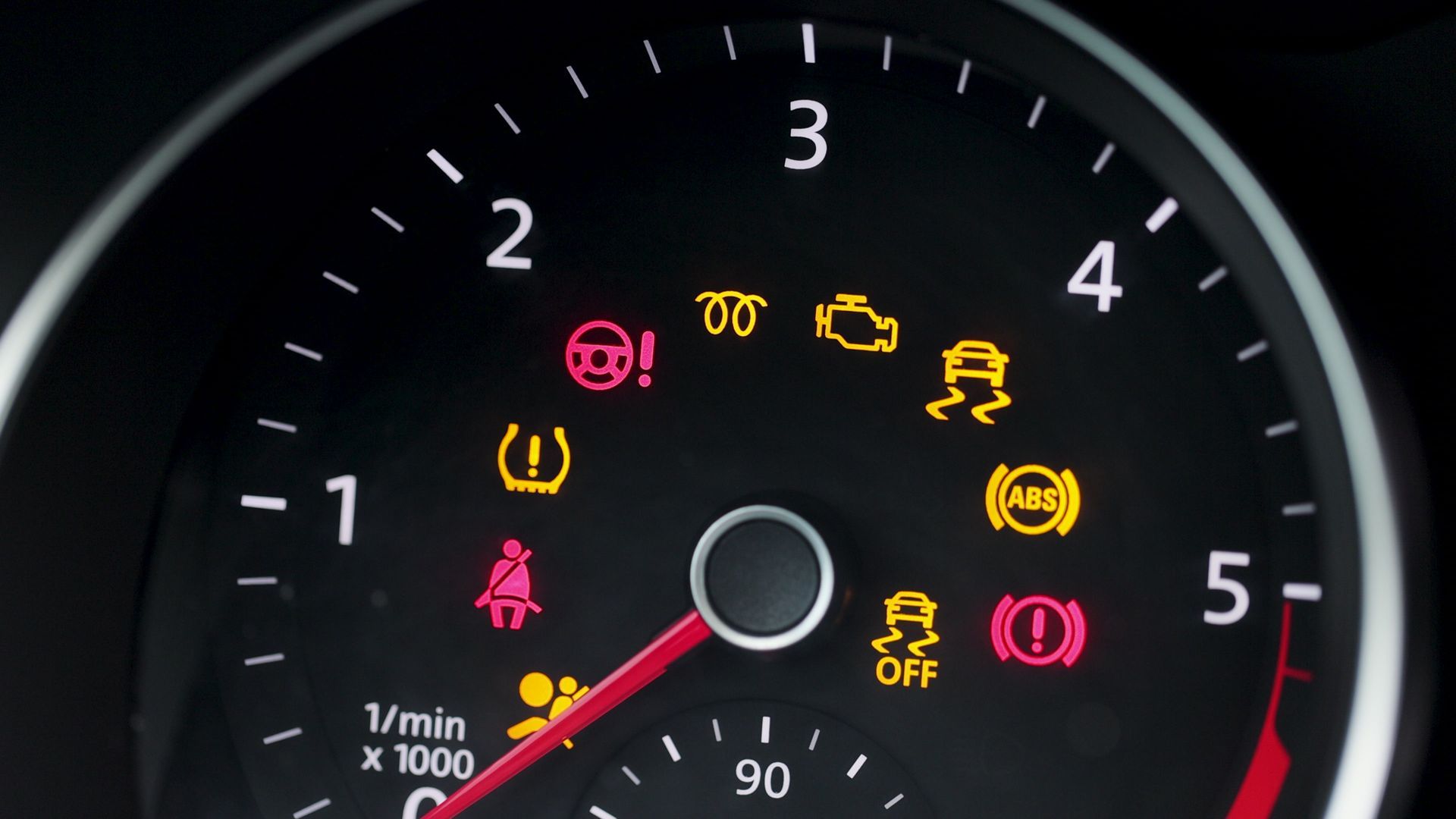
- A check engine light
- Hard restarting after the stall
- A fuel smell or hesitation before stopping
Those details help separate an airflow problem from a fuel, ignition, sensor, or transmission issue. Regular maintenance also gives us more chances to catch worn ignition parts, dirty throttle components, and fluid problems before they contribute to stalling.
Do Not Ignore a Car That Keeps Stalling in Traffic
A vehicle that restarts quickly can still be unsafe if it shuts off at intersections or while turning across traffic. Depending on the vehicle, steering assist and brake assist can also change once the engine stops running.
The right repair depends on the cause, which could be as simple as a dirty throttle body or as involved as a transmission or fuel system problem. We diagnose what changes as the engine returns to idle rather than treating stalling as one single type of failure.
Get Engine Stalling Diagnosis In Port Charlotte, Florida, With Matics Auto Repair
If your engine stalls when you slow down, stop at lights, or shift into gear, Matics Auto Repair in Port Charlotte, Florida, can check the throttle system, fuel delivery, sensors, ignition, and transmission operation to find the cause.
Schedule a diagnostic visit before an occasional stall becomes a regular problem in traffic.