You're stopping for fuel more often, even though you haven't added much driving. Has something changed in the engine, or are traffic and short trips catching up with you? Both are possible. A fuel economy change needs a little context before it becomes a reason to buy parts.
Around Port Charlotte, slow traffic and A/C use can influence the result. Tire condition and mechanical faults can contribute too. Start by checking whether consumption has actually increased across several comparable fill-ups. Then look for changes in your routine or the way the car runs that could explain the difference.
Measure Fuel Economy Across More Than One Fill-Up
The dashboard estimate is convenient, but one short trip or a recent reset can make it look alarming. For a clearer comparison, track distance and fuel added across several normal fill-ups using a consistent method. Compare similar routes and conditions rather than a highway holiday with a week of errands.
Fuel gauges also don't move evenly on every vehicle. A needle dropping quickly through one part of the scale doesn't establish an engine fault. Keep receipts or notes and include any long idle periods. A measured trend helps the shop determine whether consumption has changed enough to investigate.
Short Trips And Idling Increase Fuel Use Per Mile
An engine uses fuel while warming up, waiting at a light, or sitting with the A/C running, even when you cover very little distance. Several short trips can therefore produce worse fuel economy than one longer drive. More stop-and-go traffic also means repeated acceleration instead of steady cruising.
Think about changes that are easy to overlook. Are you waiting longer in a pickup line, making extra stops, or taking a busier route? Those differences can affect your results without a broken component. Combining errands and reducing unnecessary idling can help, as long as you still maintain comfortable, safe conditions for occupants.
Tire Pressure And Vehicle Load Affect Fuel Consumption
Underinflated tires can increase rolling resistance, making the vehicle work harder to travel the same distance. Check pressures when the tires are cold and use the vehicle's specified values. The maximum pressure printed on the tire sidewall isn't your car's everyday target.
Extra cargo and roof-mounted equipment can also increase the energy needed to move the vehicle. Remove unnecessary loads and unused carriers when practical. Don't overinflate tires or sacrifice required equipment to chase a better number. A proper tire setup supports safe handling and consistent fuel consumption.
Engine Control Problems Can Increase Fuel Delivery
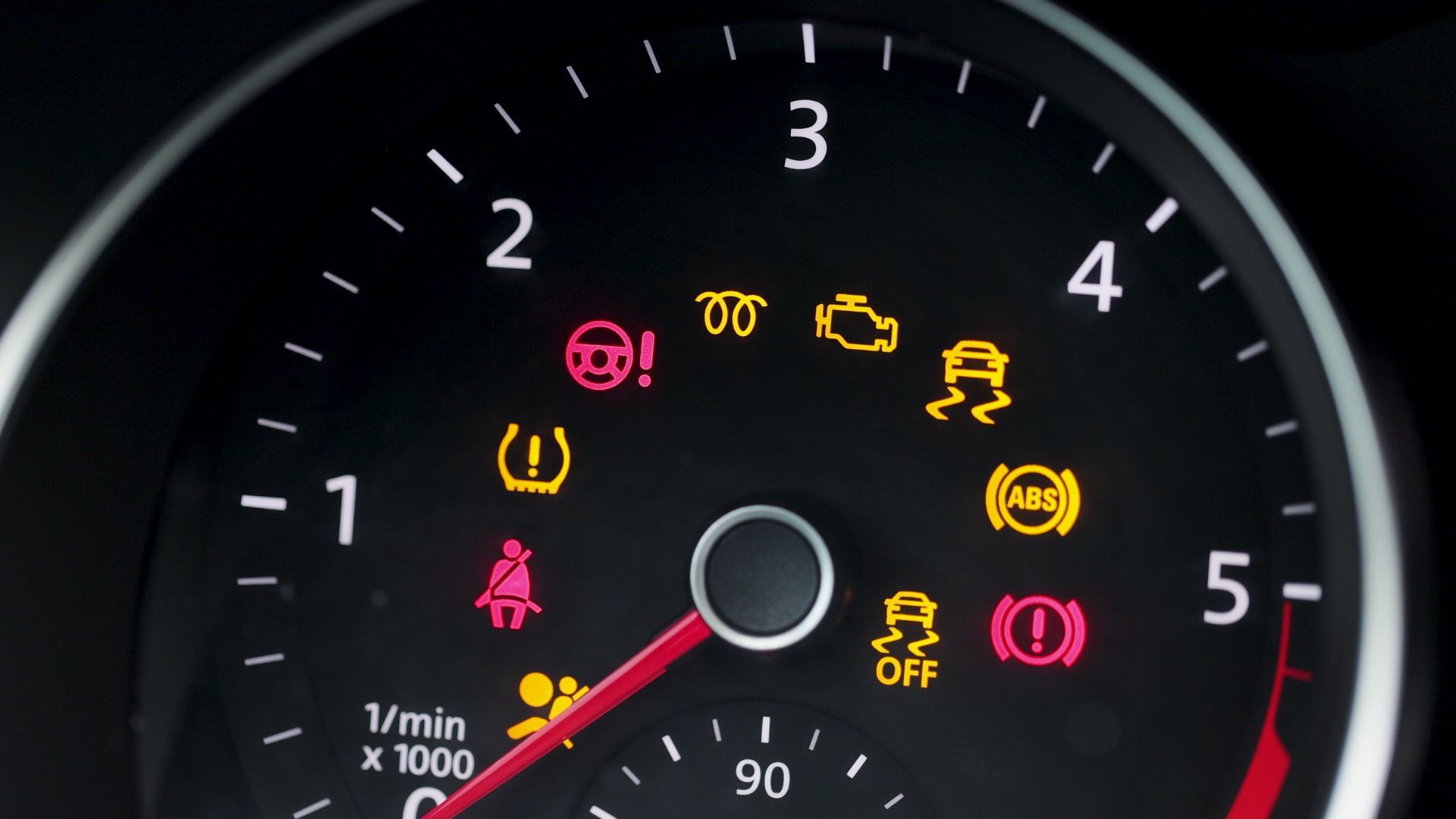
The engine computer uses information about airflow, temperature, exhaust gases, and other operating conditions to control fuel delivery. An inaccurate signal, a leaking injector, or another system fault can disrupt that control. The result may include increased consumption, a warning light, rough running, or a fuel smell.
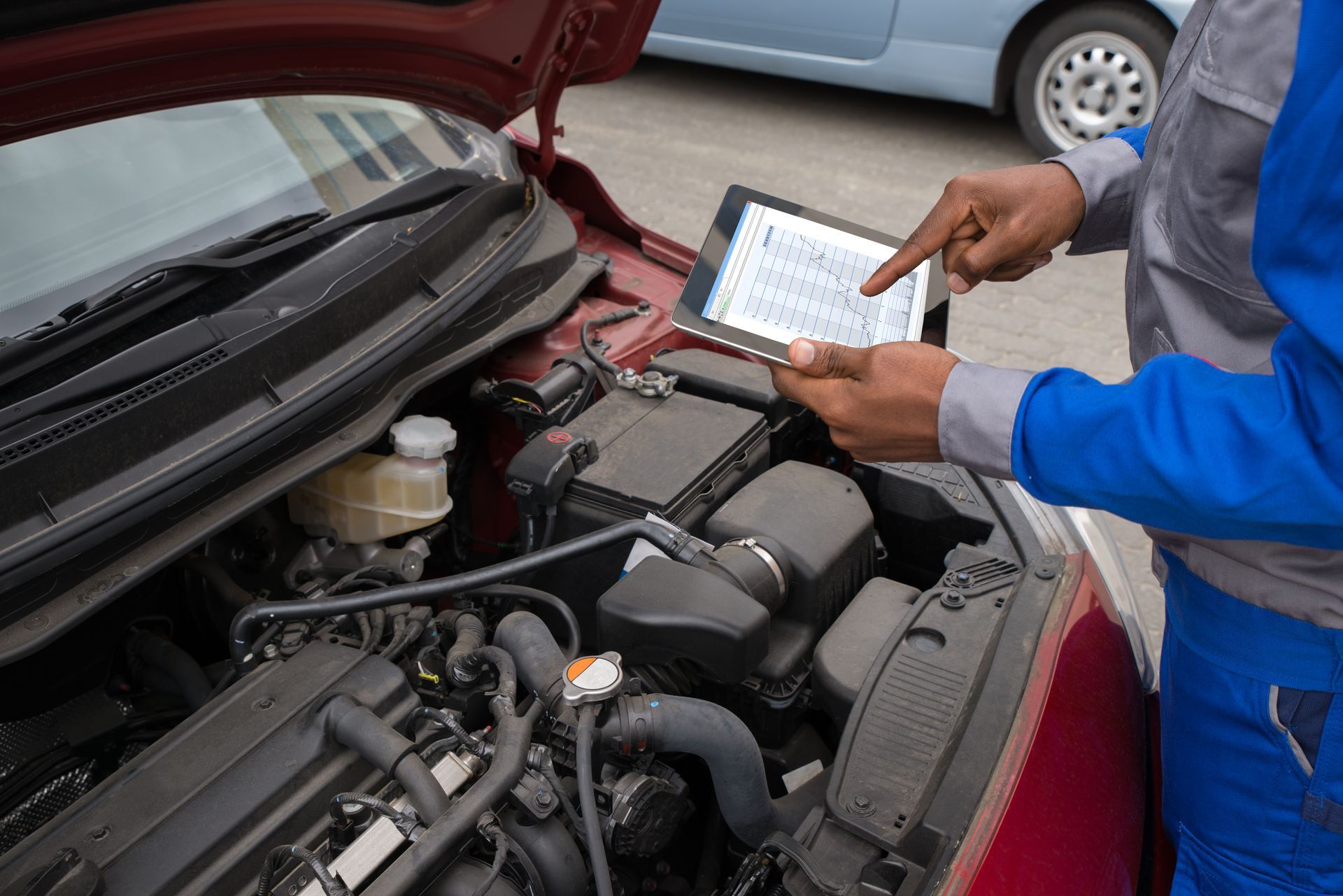
A fault code points toward a condition that needs checking; it doesn't automatically identify a part to replace. Testing can distinguish a sensor problem from wiring issues, an air leak, or another mechanical cause. Describe all the symptoms, especially if poor fuel economy started alongside harder starting or an uneven idle.
Engine Temperature And Ignition Can Change Fuel Economy
An engine that doesn't reach its intended operating temperature may use fuel differently from one operating normally. A thermostat or temperature signal problem can contribute. On gasoline engines, worn ignition components can also cause incomplete combustion or misfiring, which may waste fuel and damage other components.
Inspect the air filter too, but replacing it doesn't guarantee a major fuel economy improvement on a modern electronically controlled engine. Maintenance decisions should follow its condition and the vehicle's schedule. A flashing check engine light or severe rough running requires prompt action rather than another tank of observation.
Brake Drag And Drivetrain Problems Can Increase Fuel Use
A brake that doesn't release properly forces the engine to overcome extra resistance. Tire or alignment problems and certain drivetrain faults can have a similar effect on the work needed to keep moving. These concerns may also produce pulling, noise, unusual heat, or a change in how the vehicle rolls.
Watch for clues that need inspection:
- A persistent pull or a feeling that the car is reluctant to move.
- A burning smell or smoke near a wheel.
- New vibration or an unusual tire wear pattern.
- Transmission behavior that has changed from your normal driving experience.
Don't touch a suspected hot wheel, or keep driving if you see smoke or your brakes feel compromised.
Match Fuel Economy Checks To The Change You Noticed
Bring your mileage records and describe when the change began. Recent tire replacement, a new commute, or added roof cargo can explain part of the difference. If the car also hesitates, shifts differently, or displays a warning, those details help narrow the inspection beyond a general complaint about gas mileage.
Use the fuel grade your vehicle requires. Premium gas or an additive won't repair brake drag, a worn ignition component, or another confirmed fault. Once you understand the cause, you can address the real problem and judge fuel use against a realistic baseline for your route, traffic, and daily trips.
Get Fuel Consumption Checks In Port Charlotte, FL
Matics Auto Repair in Port Charlotte, FL, can inspect increased fuel use along with warning lights, rough running, tire concerns, or brake drag. Share your fill-up records and recent driving changes so we can identify likely causes and explain our findings.
Contact us to schedule an inspection if your vehicle's fuel consumption has changed.